"Creating a daily academic plan" focuses on developing a routine to enhance study efficiency and retention. The strategy begins with establishing a consistent routine. This involves setting a fixed study time each day, creating a quiet environment, and using planners to organize sessions. For example, beginning with a brief review of old material and incorporating Pomodoro breaks helps maintain focus.
The plan also employs active learning techniques like summarizing in your own words, teaching others, and using mind maps. Engaging in practice tests and study groups encourages diverse understanding and allows for practical application of knowledge.
Finally, optimizing mental and physical health is crucial. This includes ensuring quality sleep, physical activity, and a balanced diet. Practicing mindfulness and setting realistic goals helps maintain overall well-being, preventing burnout and promoting sustained study habits.
The strategies
⛳️ Strategy 1: Establish a consistent routine
- Set a fixed time each day dedicated to study
- Create a quiet and organised study environment
- Determine the subjects and topics to focus on each day
- Use a planner to schedule study sessions in advance
- Begin your study session with a brief review of previously covered material
- Incorporate breaks using the Pomodoro technique
- Limit distractions by turning off notifications
- Establish a ritual that signals the start and end of study time
- Identify your peak productivity hours and schedule study sessions then
- Reflect on each study session to evaluate productivity and adjust routine
⛳️ Strategy 2: Employ active learning techniques
- Summarise information in your own words after reading
- Teach the material to someone else or simulate teaching
- Create mind maps to connect concepts visually
- Utilise flashcards for quick recall practice
- Engage in regular practice testing using past exams or quizzes
- Incorporate study groups to facilitate discussions
- Use online videos and tutorials for diverse explanations
- Challenge yourself with higher-order thinking questions
- Apply learnt knowledge in practical or real-world scenarios
- Regularly review and quiz yourself on learned material to reinforce knowledge
⛳️ Strategy 3: Optimise mental and physical health
- Ensure 7-8 hours of quality sleep each night
- Include physical activity in your daily routine
- Practice mindfulness or meditation for stress reduction
- Maintain a balanced diet to support cognitive function
- Stay hydrated by drinking sufficient water throughout the day
- Schedule time for relaxation and hobbies to prevent burnout
- Seek social support from friends or mentors
- Set realistic and achievable daily study goals
- Monitor your mental health and seek help if needed
- Perform regular self-assessments to understand emotional well-being
Bringing accountability to your strategy
It's one thing to have a plan, it's another to stick to it. We hope that the examples above will help you get started with your own strategy, but we also know that it's easy to get lost in the day-to-day effort.
That's why we built Tability: to help you track your progress, keep your team aligned, and make sure you're always moving in the right direction.
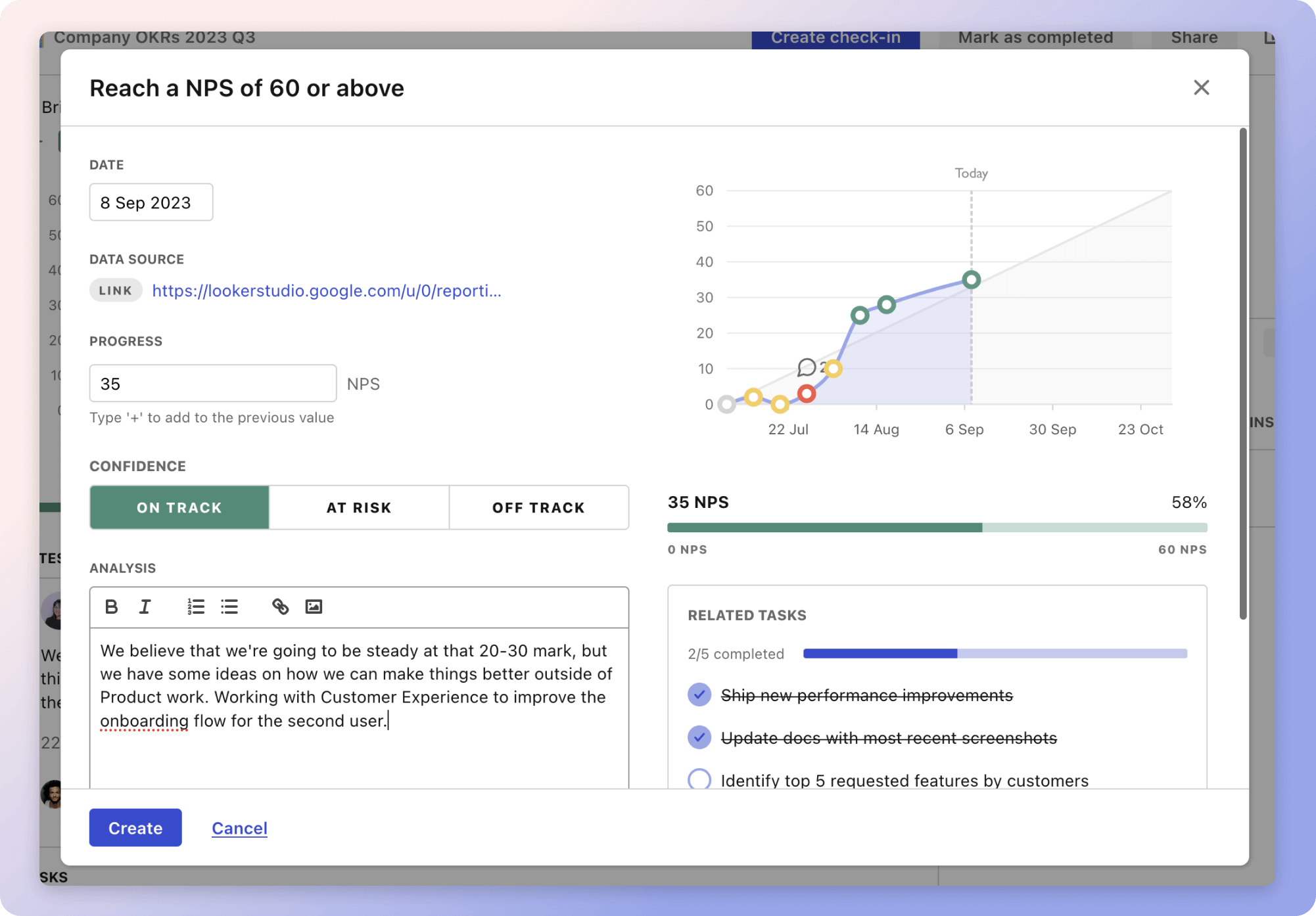
Give it a try and see how it can help you bring accountability to your strategy.