Achieving success as a medical affairs intern involves a multifaceted approach. The strategy begins with developing core competencies. This includes understanding the specific roles within medical affairs, familiarizing oneself with company products and disease states, and enhancing medical knowledge through ongoing education. For example, attending workshops and reading industry publications can provide a solid foundation. Additionally, improving project management and communication skills through leading small projects and participating in meetings is essential.
Expanding professional networks is another critical component. Attending industry events, both online and offline, connecting with peers on platforms like LinkedIn, and participating in mentorship programs offer robust networking opportunities. Engaging in conversations during webinars and shadowing team members from various functions can provide valuable insights and connections that help in career progression.
The strategy also emphasizes contributing effectively to projects. Interns should seek tasks that align with their learning goals and manage priorities to meet deadlines. Utilizing project management tools aids in task organization, while documenting learnings from completed projects aids future initiatives. Engaging in brainstorming and leading small components of projects fosters leadership skills.
The strategies
⛳️ Strategy 1: Develop core competencies
- Understand the role and responsibilities of medical affairs within the pharmaceutical industry
- Familiarize with the company's products, therapies, and relevant disease states
- Enhance scientific and medical knowledge through continuous learning and reading industry publications
- Attend internal training sessions and workshops to build technical skills
- Develop strong project management skills by leading small assignments
- Improve communication skills by participating in team meetings and presentations
- Learn to analyse and interpret clinical and medical data accurately
- Build proficiency in using company-specific databases and tools
- Seek feedback from peers and supervisors, and work on identified areas for improvement
- Set personal learning goals and track progress monthly
⛳️ Strategy 2: Expand professional networks
- Attend company and industry events, both virtually and in-person, wherever possible
- Connect with colleagues and peers on professional networking platforms like LinkedIn
- Engage in discussions at medical and scientific webinars and forums
- Learn from cross-functional team members by shadowing them in meetings
- Ask supervisors for introductions to relevant professionals in other departments
- Participate in mentorship programs, if available, to gain insights and advice
- Regularly check in with your supervisor to gain perspective and align on expectations
- Volunteer for collaborative projects to increase visibility within the company
- Join professional organisations related to medical affairs for networking opportunities
- Conduct informational interviews with experienced professionals to understand various career pathways
⛳️ Strategy 3: Contribute to projects effectively
- Proactively seek out projects and tasks that align with your learning objectives
- Prioritise tasks effectively to meet project deadlines consistently
- Regularly update supervisors and team members on the progress of your work
- Utilise project management tools to organise tasks and track progress
- Document learnings and outcomes from completed projects to aid future projects
- Actively participate in team brainstorming sessions and offer creative solutions
- Review project outcomes with supervisors to gather feedback and implement improvements
- Keep up-to-date with the latest trends and insights in medical affairs and incorporate them into projects
- Volunteer to lead small project components to develop leadership skills
- Contribute to the development of team documentation and shared learning resources
Bringing accountability to your strategy
It's one thing to have a plan, it's another to stick to it. We hope that the examples above will help you get started with your own strategy, but we also know that it's easy to get lost in the day-to-day effort.
That's why we built Tability: to help you track your progress, keep your team aligned, and make sure you're always moving in the right direction.
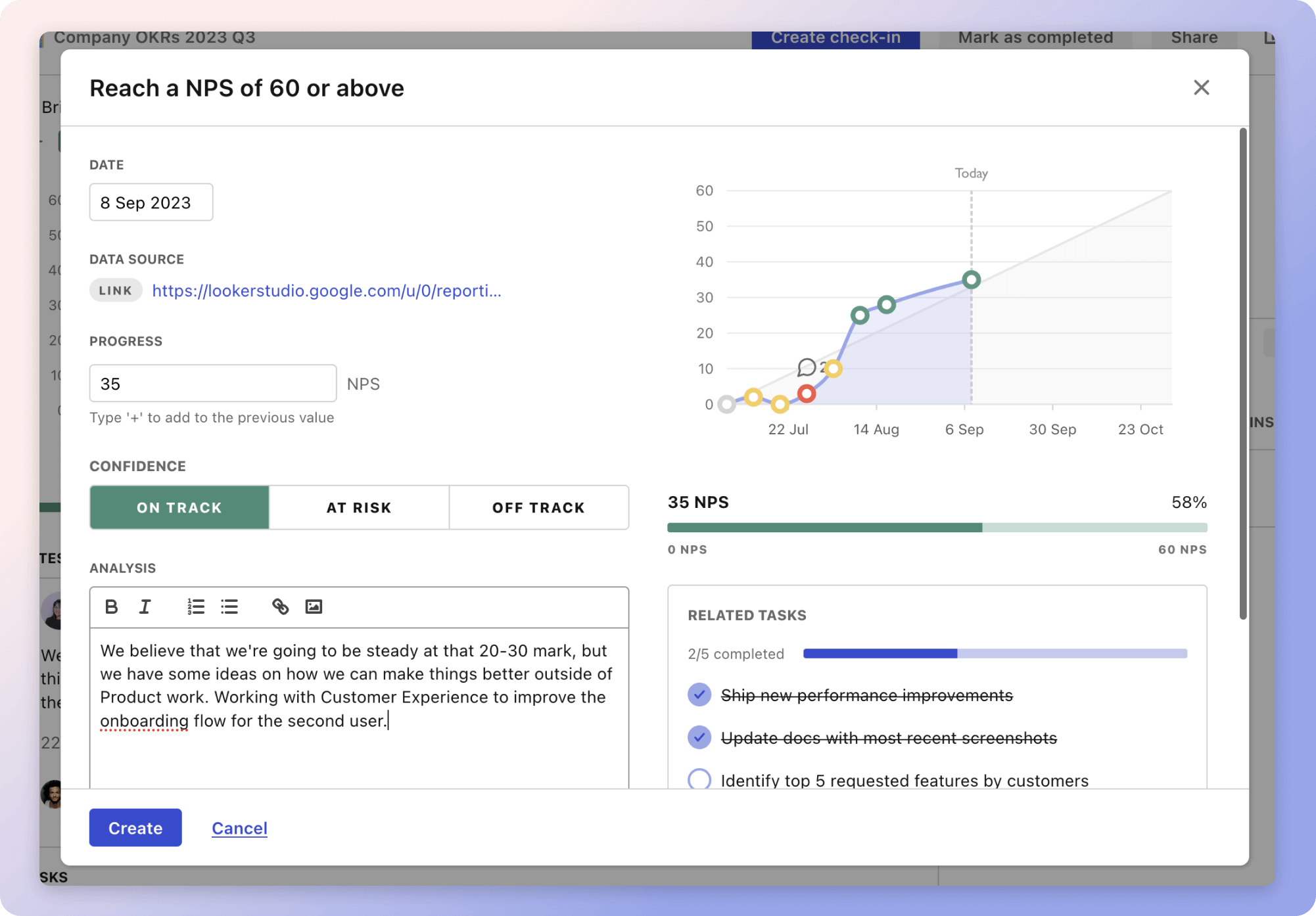
Give it a try and see how it can help you bring accountability to your strategy.