The strategy for trading the PHYS ETF revolves around a well-defined risk-on, risk-off framework. To effectively implement this, traders need to closely monitor market conditions, assessing factors like macroeconomic indicators, interest rates, and geopolitical events that affect gold prices. An example would be evaluating the impact of interest rate hikes on gold's allure as an asset.
Next, implementing the risk-on, risk-off model involves setting thresholds for moving between different market environments and incorporating tools like stop-loss mechanisms to manage risks effectively. For instance, traders might classify periods of high uncertainty as risk-off, favoring safe-haven assets.
Finally, enhancing trading skills is crucial. This might include participating in courses and joining forums to exchange ideas, aiding in refining strategies and ensuring they adapt to evolving market conditions.
The strategies
⛳️ Strategy 1: Analyse market conditions
- Monitor macroeconomic indicators that influence gold prices
- Analyse trends in interest rate changes and their impact
- Evaluate geopolitical events impacting gold market sentiment
- Use technical analysis to identify potential support and resistance levels
- Assess the volatility index (VIX) for market sentiment insights
- Track changes in gold ETFs holdings and their impacts
- Evaluate dollar index trends affecting gold prices
- Stay updated on global central bank gold purchasing patterns
- Utilise sentiment analysis tools for trading signals
- Monitor inflation reports to assess gold’s hedge potential
⛳️ Strategy 2: Implement a risk-on, risk-off model
- Designate specific thresholds for moving between risk-on and risk-off modes
- Set clear criteria for entering into a risk-on position
- Identify safe-haven assets for risk-off market environments
- Incorporate stop-loss mechanisms to manage drawdown levels
- Strategically allocate positions considering overall portfolio risk
- Utilise pair trading strategies with correlated assets
- Back-test the model against historical data for performance validation
- Regularly adjust the model based on changing market conditions
- Employ automated alerts for threshold violations
- Document decisions and outcomes for continuous improvement
⛳️ Strategy 3: Enhance trading skills and knowledge
- Participate in advanced trading courses specialising in ETFs
- Review daily market summaries for key information
- Join investor forums to exchange insights with fellow traders
- Read financial literature focused on gold and commodity trading
- Develop a trading journal to document strategies and results
- Attend webinars and seminars about ETF trading
- Subscribe to newsletters from leading gold market analysts
- Practise various trading strategies in a simulated environment
- Review and analyse successful traders’ methods regularly
- Continuously seek feedback and adjust strategies as necessary
Bringing accountability to your strategy
It's one thing to have a plan, it's another to stick to it. We hope that the examples above will help you get started with your own strategy, but we also know that it's easy to get lost in the day-to-day effort.
That's why we built Tability: to help you track your progress, keep your team aligned, and make sure you're always moving in the right direction.
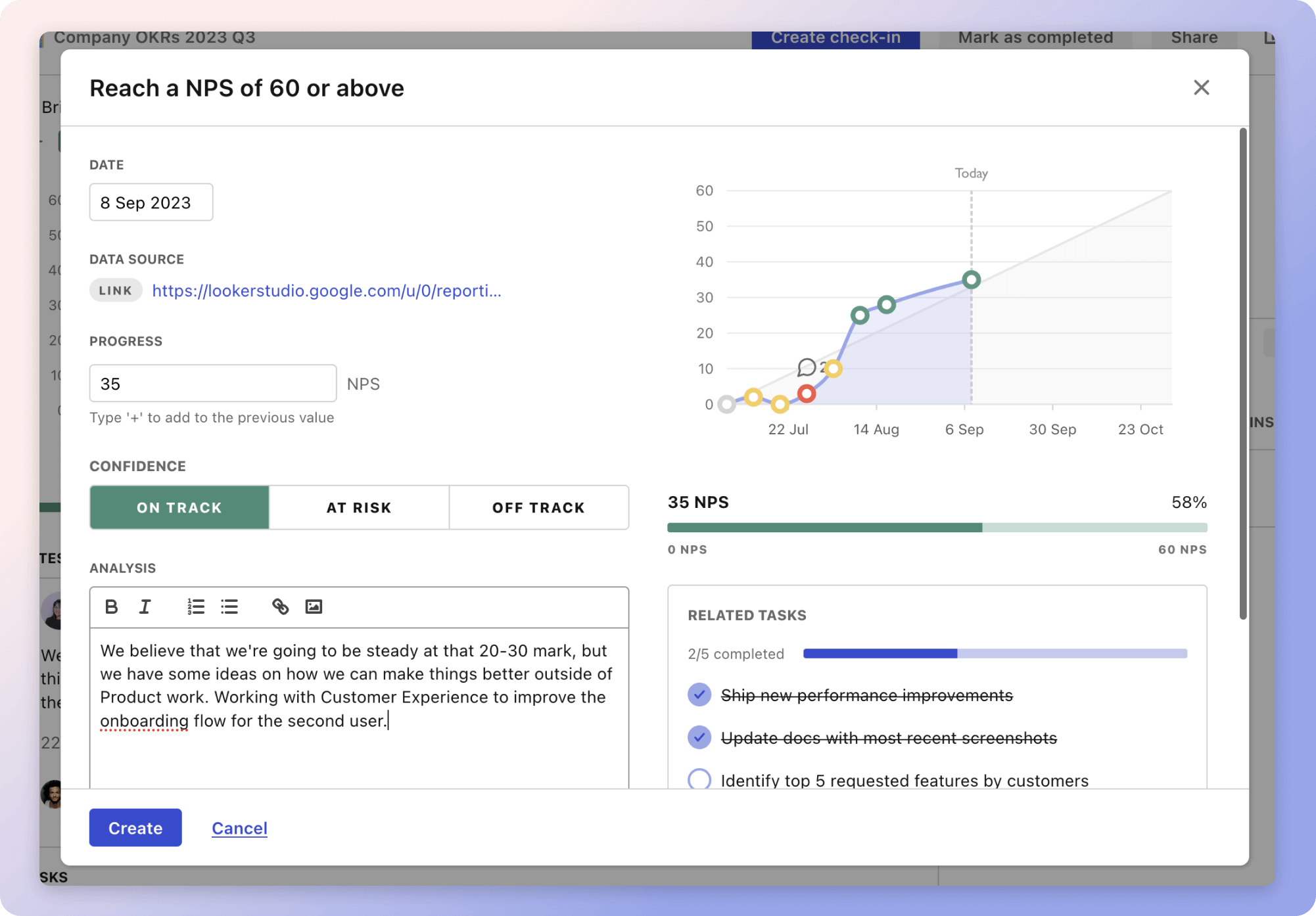
Give it a try and see how it can help you bring accountability to your strategy.