The strategy focuses on community empowerment through targeted training. It begins with a comprehensive needs assessment, ensuring the training aligns with community interests. For example, surveys and focus groups identify key training areas such as mental health and conflict resolution. Engaging community leaders helps tailor the approach and resources, setting clear objectives based on these insights.
Next, detailed training modules are developed. Each module includes interactive activities, multimedia elements, and handouts to enhance learning. Collaborations with experts ensure content accuracy, while pilot sessions provide valuable feedback. Materials are adapted for cultural relevance, ensuring accessibility for all community members.
Finally, the implementation of training sessions prioritizes engagement and convenience. Utilizing accessible venues like community centers, the strategy schedules sessions at optimal times. Participant feedback is crucial, informing ongoing refinements. Follow-up sessions reinforce learning, with participation certificates motivating continued involvement.
The strategies
⛳️ Strategy 1: Conduct a needs assessment
- Survey community members to identify key areas of interest and concern
- Compile data to prioritise training topics
- Identify community leaders and stakeholders for insights
- Assess available resources for training implementation
- Analyse demographic information to tailor training material
- Set clear objectives based on identified needs
- Evaluate past training feedback for improvements
- Conduct focus groups to gather detailed community insights
- Review local and cultural contexts affecting training topics
- Prepare a report summarising the findings for planning purposes
⛳️ Strategy 2: Develop comprehensive training modules
- Create module content for each training topic identified
- Include interactive activities in each module to engage participants
- Design handouts and materials that support learning objectives
- Incorporate multimedia elements such as videos and presentations
- Consult with subject matter experts for content accuracy
- Develop clear and concise trainer guidelines
- Translate materials into local languages as necessary
- Test modules in a pilot session to gather feedback
- Adjust training content based on pilot feedback
- Compile a complete training manual for facilitators
⛳️ Strategy 3: Implement and evaluate training sessions
- Recruit qualified trainers with expertise in each module area
- Schedule training sessions at convenient times and locations for participants
- Utilise community centres or schools as training venues
- Promote sessions through social media and local networks
- Facilitate interactive and engaging training sessions
- Distribute feedback forms to participants at each session
- Collect and analyse feedback to assess training effectiveness
- Refine modules based on participant input
- Provide certificates of participation to encourage attendance
- Hold follow-up sessions to reinforce learning and gather long-term feedback
Bringing accountability to your strategy
It's one thing to have a plan, it's another to stick to it. We hope that the examples above will help you get started with your own strategy, but we also know that it's easy to get lost in the day-to-day effort.
That's why we built Tability: to help you track your progress, keep your team aligned, and make sure you're always moving in the right direction.
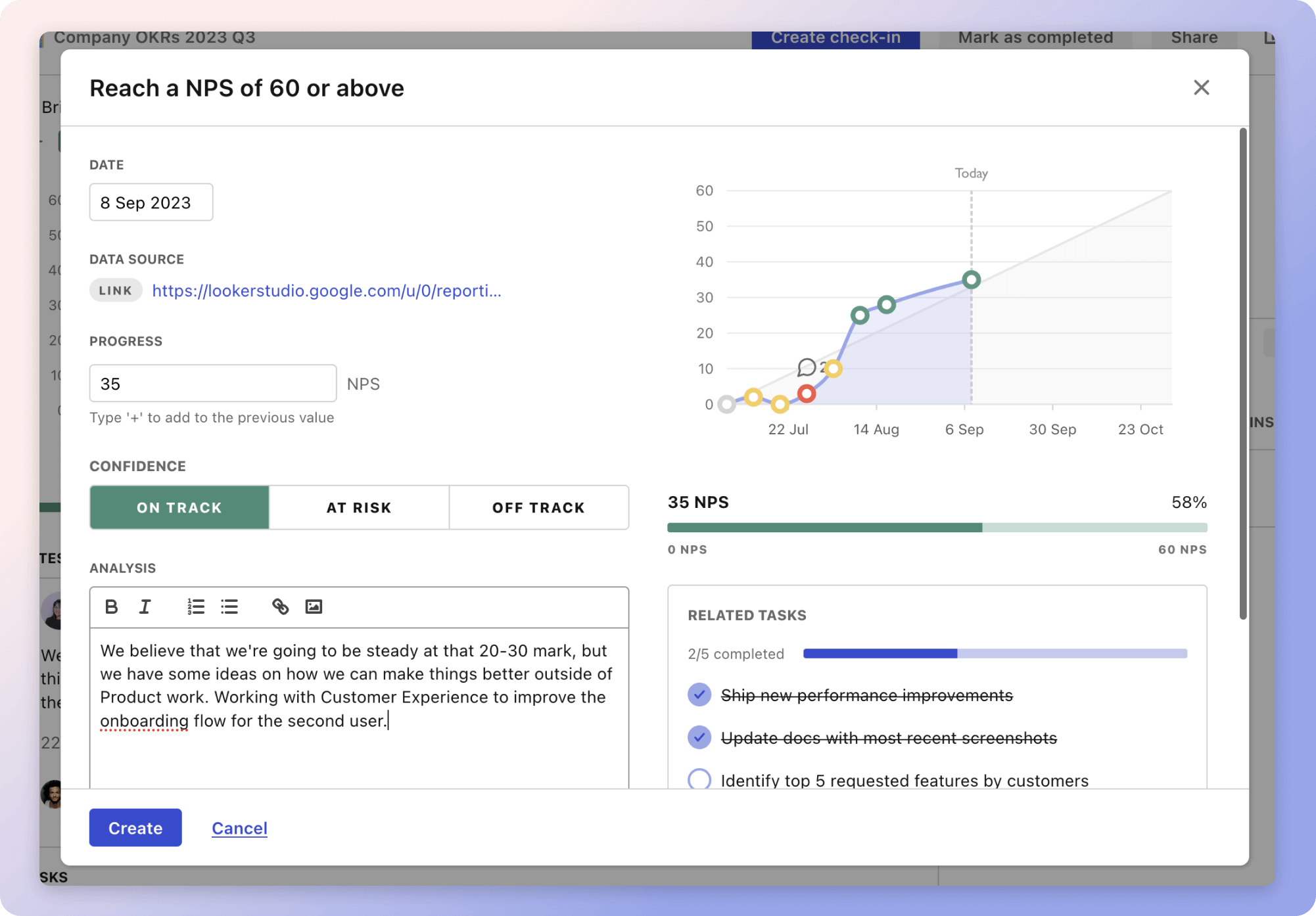
Give it a try and see how it can help you bring accountability to your strategy.