Starting an architecture teaching programme involves carefully structuring the curriculum to provide a comprehensive educational experience. This includes researching existing programmes, consulting industry professionals, and incorporating practical projects. By aligning the curriculum with accreditation standards, students are best prepared for real-world challenges. For instance, organising guest lectures helps students gain insights from experienced architects.
Establishing resources and facilities is crucial to support both theoretical and practical learning. Having a well-equipped location with technology aids, a resource library, and a computer lab ensures students have access to essential tools. Collaborations with local firms enhance learning through site visits and internships.
Recruiting qualified instructors is vital for programme success. This involves crafting detailed job descriptions, advertising positions widely, and ensuring candidates have the necessary experience and qualifications. Providing competitive salaries and fostering a collaborative teaching environment ensures instructor satisfaction and effectiveness, directly impacting student learning and engagement.
The strategies
⛳️ Strategy 1: Define the curriculum
- Research existing architecture programmes to identify best practices
- Consult with industry professionals to understand key skills and knowledge areas
- Develop a comprehensive curriculum outline covering foundational and advanced topics
- Incorporate practical projects and assignments into the curriculum
- Ensure curriculum alignment with national and international accreditation standards
- Prepare detailed lesson plans for each course module
- Organise guest lectures and workshops by experts in various architecture fields
- Include digital tools and software training in the curriculum
- Schedule periodic curriculum reviews and updates based on feedback
- Develop assessment criteria and evaluation methods for student performance
⛳️ Strategy 2: Establish resources and facilities
- Secure a suitable physical location for classes and workshops
- Equip classrooms with necessary technology and teaching aids
- Create a resource library with architecture books, journals, and digital materials
- Set up studios with drafting and modelling equipment
- Develop a computer lab with the latest architecture software
- Ensure access to printing and other reprographic facilities
- Install appropriate lighting and seating arrangements for studio work
- Prepare safety protocols and emergency plans for the facilities
- Create partnerships with local firms for site visits and internships
- Organise a virtual learning platform for remote access to resources
⛳️ Strategy 3: Recruit qualified instructors
- Develop detailed job descriptions for teaching positions
- Advertise job openings in architecture forums and academic networks
- Screen candidates based on qualifications and teaching experience
- Conduct interviews and teaching demonstrations for shortlisted candidates
- Check references and previous employment records
- Offer competitive salary packages and professional development opportunities
- Provide training for instructors on the programme's curriculum and goals
- Foster a collaborative environment among teaching staff
- Set up regular meetings for faculty to discuss teaching strategies
- Gather student feedback to assess instructor effectiveness
Bringing accountability to your strategy
It's one thing to have a plan, it's another to stick to it. We hope that the examples above will help you get started with your own strategy, but we also know that it's easy to get lost in the day-to-day effort.
That's why we built Tability: to help you track your progress, keep your team aligned, and make sure you're always moving in the right direction.
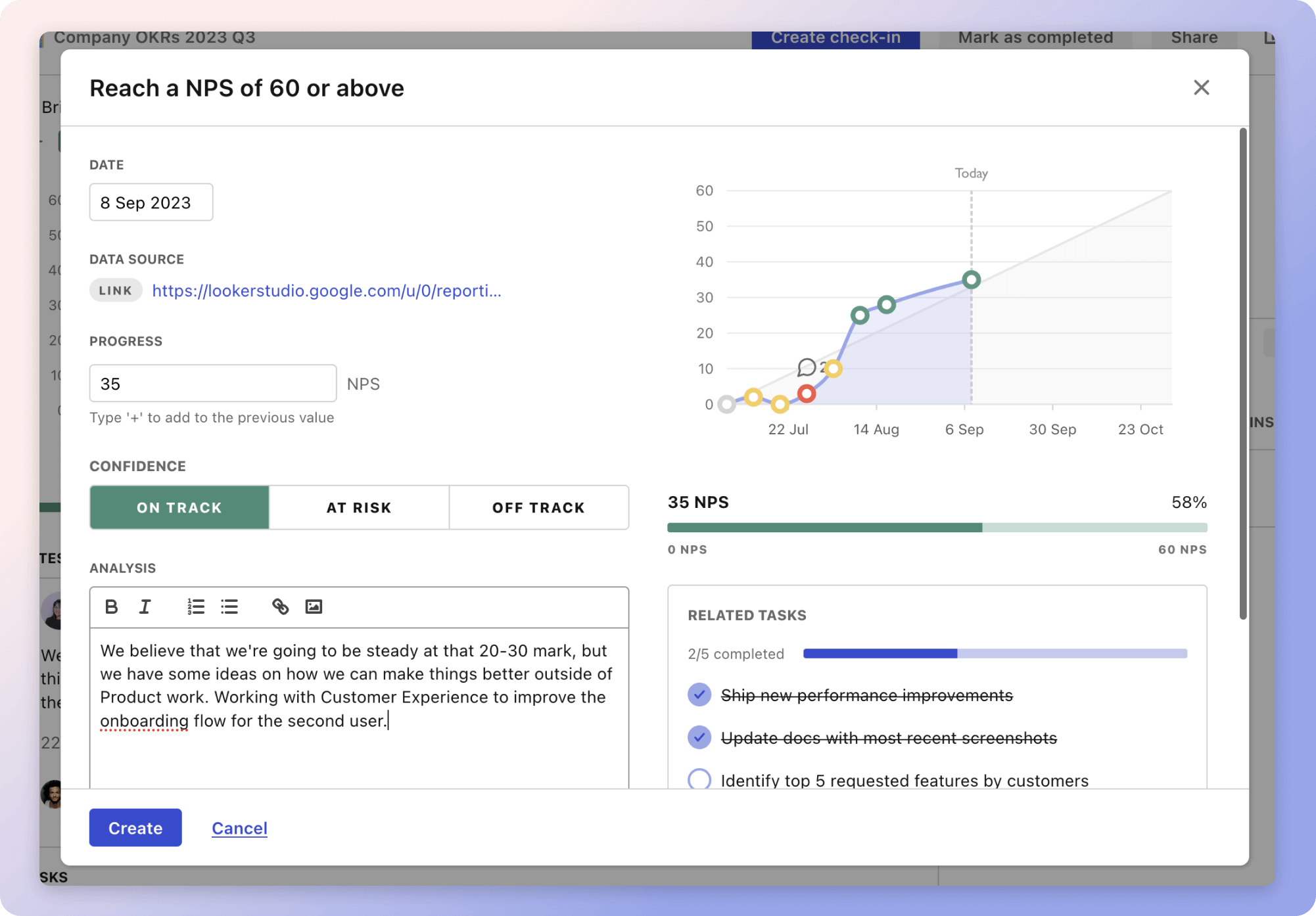
Give it a try and see how it can help you bring accountability to your strategy.