The strategy for leading a video editing team for STEM MAU debate events focuses on three main aspects: vision development, skill enhancement, and fostering a feedback culture. Firstly, by developing a clear vision and plan, the team creates a roadmap for success. For example, defining goals and aligning video content with overall event themes ensures cohesion and quality. Setting measurable milestones and hosting kick-off meetings facilitates alignment and progress tracking.
Secondly, enhancing team skills and productivity is crucial. This involves skill assessments and regular training sessions to address weaknesses. By investing in up-to-date editing tools and nurturing creativity, the team maintains a professional edge. Implementing a peer review system and using project management software streamline processes, making sure deadlines are met efficiently.
Lastly, fostering a culture of feedback and improvement allows the team to adapt and grow. Encouraging open communication and hosting debrief sessions after projects helps identify strengths and areas for enhancement. Regular feedback loops and structured implementation of constructive criticism ensure continuous quality improvement.
The strategies
⛳️ Strategy 1: Develop a clear vision and plan
- Define the overall goals and objectives for video content in debate events
- Identify the key themes and style guidelines for your video editing projects
- Create a detailed timeline for video production processes
- Develop a resource plan and assign roles to team members
- Hold a kick-off meeting to communicate the vision and plan to the team
- Set measurable milestones to track progress
- Ensure alignment of video content with the overall goals of STEM MAU
- Coordinate with other teams involved in the debate events
- Establish communication and feedback mechanisms
- Regularly review and adjust the plan as needed
⛳️ Strategy 2: Enhance team skills and productivity
- Conduct a skills assessment within your team to identify strengths and weaknesses
- Organise regular training sessions to improve technical and creative skills
- Invest in the latest video editing software and tools
- Promote collaboration by implementing a peer review system
- Encourage creativity and innovation in video techniques
- Set up a knowledge-sharing platform for the team
- Recognise and reward exceptional work to motivate team members
- Streamline workflow with clearly defined processes
- Ensure all team members understand the importance of deadlines
- Utilise project management software to track tasks and assignments
⛳️ Strategy 3: Foster a culture of feedback and improvement
- Implement a regular feedback loop for reviewing video content
- Encourage open and honest communication within the team
- Create opportunities for team members to suggest improvements
- Host debrief sessions after every project to discuss strengths and areas for improvement
- Set up one-on-one meetings with team members to address individual concerns
- Track feedback trends to identify patterns
- Develop a structured approach for integrating constructive feedback
- Celebrate successes and analyse challenges
- Invite external experts for feedback when necessary
- Continuously evaluate the quality and effectiveness of video content
Bringing accountability to your strategy
It's one thing to have a plan, it's another to stick to it. We hope that the examples above will help you get started with your own strategy, but we also know that it's easy to get lost in the day-to-day effort.
That's why we built Tability: to help you track your progress, keep your team aligned, and make sure you're always moving in the right direction.
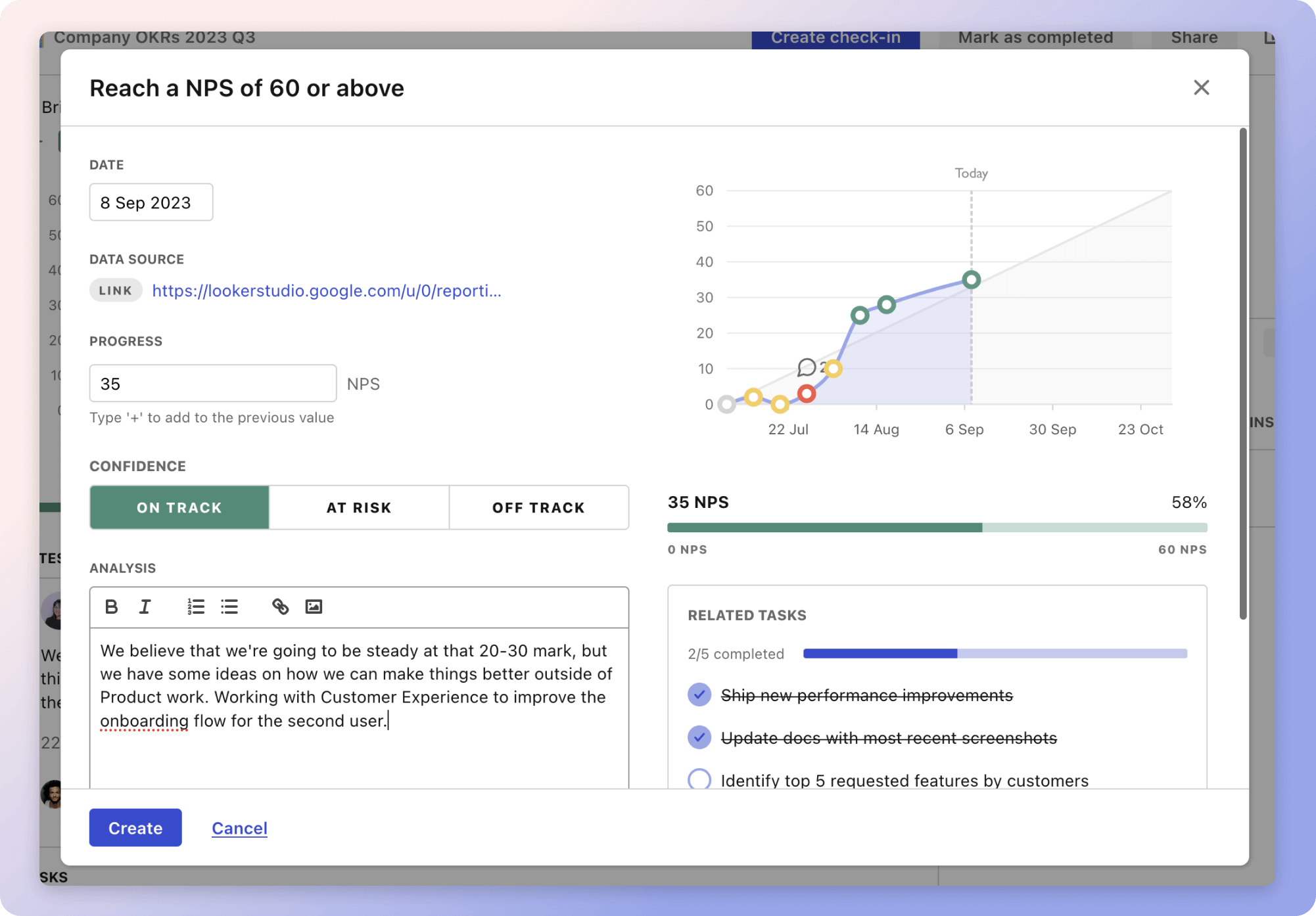
Give it a try and see how it can help you bring accountability to your strategy.