The strategy to encourage pediatricians to test patients for lead is multi-faceted and encompasses collaboration, community engagement, and support for medical professionals. By partnering with local health authorities, the initiative aims to leverage credibility and resources. For instance, developing mutual goals, designing informational materials, and organizing workshops are crucial action items. These steps can illuminate the importance of lead testing and foster a strong foundation for awareness campaigns.
Engaging the community is another vital aspect, involving forums, social media, and educational resources distributed through schools and events. Collecting testimonials and collaborating with local influencers can enhance awareness and provide relatable narratives, increasing public interest and support for lead testing.
Supporting pediatricians through incentives and assistance is a further strategy. Offering grants, developing toolkits, and negotiating lower costs for testing kits can remove barriers to testing. Recognizing pediatricians through awards and newsletters fosters motivation and highlights success stories, encouraging broader participation.
The strategies
⛳️ Strategy 1: Collaborate with local health authorities
- Reach out to local health departments to discuss collaboration opportunities
- Develop a partnership agreement outlining mutual goals and responsibilities
- Collect relevant data on lead exposure in the area to present to pediatricians
- Design informational materials with health authorities' logos for credibility
- Invite health officials to speak at a local medical conference
- Organise workshops on lead exposure for medical staff
- Secure funding for a lead testing awareness campaign
- Jointly issue guidelines for pediatricians on testing procedures
- Propose a local research study on the benefits of early lead testing
- Evaluate the campaign's impact and share results with health authorities
⛳️ Strategy 2: Leverage community engagement
- Organise community forums to discuss lead exposure risks
- Gather testimonials from parents whose children benefited from early testing
- Create educational materials for distribution in schools and community centres
- Develop a lead awareness campaign using social media platforms
- Partner with local influencers to raise awareness about lead testing
- Host town hall meetings with local politicians to highlight the issue
- Launch a newsletter featuring updates and success stories from testing
- Collaborate with local businesses to sponsor awareness events
- Encourage parent-teacher associations to advocate for lead testing
- Distribute educational pamphlets at local fairs and events
⛳️ Strategy 3: Provide incentives and support for pediatricians
- Seek out grant opportunities to subsidise lead testing costs
- Develop a toolkit to assist pediatricians in implementing lead testing
- Offer continuing education credits for attending lead exposure webinars
- Create a recognition programme for pediatricians who advocate for testing
- Negotiate lower costs for lead testing kits with suppliers
- Facilitate support groups or forums for medical professionals to share experiences
- Develop easy-to-use testing protocols for pediatric clinics
- Provide a helpline for pediatricians to discuss lead-related concerns
- Organise a yearly award for practices with the highest testing rates
- Host a monthly newsletter featuring a ‘Pediatrician of the Month’ who excels in lead testing
Bringing accountability to your strategy
It's one thing to have a plan, it's another to stick to it. We hope that the examples above will help you get started with your own strategy, but we also know that it's easy to get lost in the day-to-day effort.
That's why we built Tability: to help you track your progress, keep your team aligned, and make sure you're always moving in the right direction.
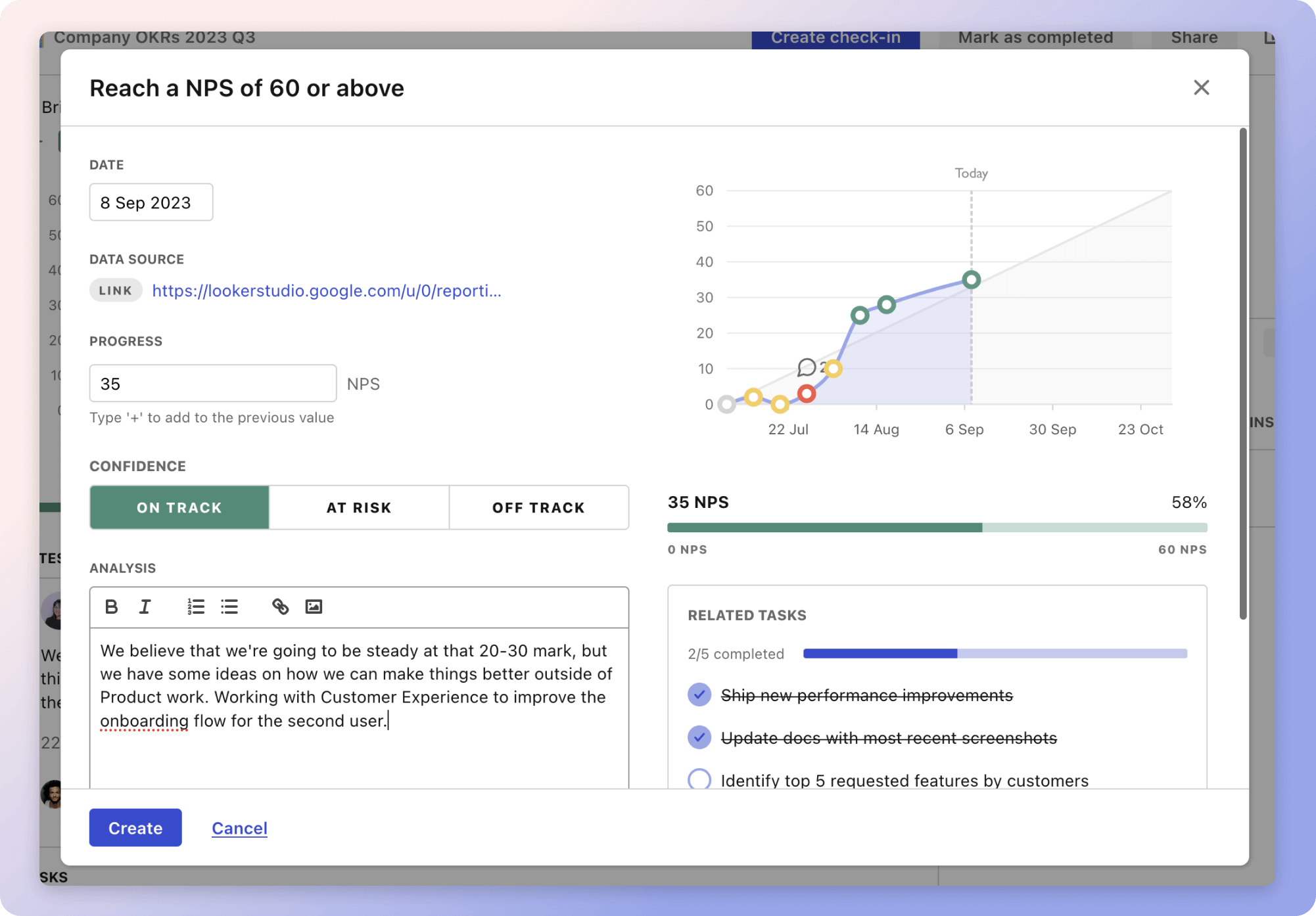
Give it a try and see how it can help you bring accountability to your strategy.