This strategy is aimed at mastering backend Java development and intermediate data structures by orchestrating a structured approach over the next five months. It begins with the assessment of current skills to pinpoint gaps, followed by a division of the period into phases for targeted learning. Daily dedicated time blocks, along with weekly study timelines for data structures, allow for comprehensive coverage, while regular progress assessments ensure consistency.
A practical dimension includes developing projects aligned with learning objectives, with a focus on gradually increasing complexity. This involves crafting detailed project plans, scheduling coding sessions, and running code review feedback loops. Such hands-on experience solidifies understanding and integration of new concepts.
Support from online resources and communities forms the backbone for overcoming challenges encountered during this journey. This includes enrolling in relevant courses, engaging with communities, participating in online discussions, attending webinars, and staying informed through blogs and coding platforms. Interaction with peers amplifies learning through diverse perspectives and shared problem-solving.
The strategies
⛳️ Strategy 1: Develop a structured learning schedule
- Assess current knowledge in Java and data structures to identify gaps
- Divide the available 5 months into five equal phases for focused learning
- Allocate time blocks daily dedicated to Java backend development topics
- Create a timeline for intermediate data structures study sessions each week
- Schedule regular reviews and assessments to track progress every two weeks
- Include buffer time for revision and catching up on missed study sessions
- Incorporate a flexible schedule for project work during weekends
- Designate specific days for theoretical learning and practical implementation
- Integrate knowledge integration sessions to combine learning areas weekly
- Set specific milestones to achieve each month for accountability
⛳️ Strategy 2: Implement practical application through projects
- Identify 2 to 3 project ideas that align with Java and data structures learning objectives
- Outline a detailed project plan for each project with clear goals and deadlines
- Schedule weekly coding sessions dedicated to one of the projects
- Develop a project roadmap that allows gradual scaling of complexity
- Incorporate learned data structures in the projects to enhance learning
- Conduct code review sessions with peers or mentors for feedback
- Integrate online code challenges relevant to project goals for practice
- Continuously test and debug projects to solidify backend understanding
- Utilise version control systems to track project progress and revisions
- Reflect on completed projects to identify areas of improvement
⛳️ Strategy 3: Utilise online resources and communities for support
- Identify reputable online courses or tutorials for Java backend development
- Enrol in courses that offer detailed insights into intermediate data structures
- Join online forums and communities for Java developers and learners
- Participate in discussion threads to resolve doubts and gain diverse perspectives
- Attend online webinars or workshops on Java-related topics
- Subscribe to YouTube channels that focus on backend development tutorials
- Engage in peer study groups for collaborative learning experiences
- Regularly follow and read tech blogs focusing on Java and data structures
- Utilise coding platforms like LeetCode or HackerRank for data structures practice
- Leverage social media networks for staying updated with the latest trends
Bringing accountability to your strategy
It's one thing to have a plan, it's another to stick to it. We hope that the examples above will help you get started with your own strategy, but we also know that it's easy to get lost in the day-to-day effort.
That's why we built Tability: to help you track your progress, keep your team aligned, and make sure you're always moving in the right direction.
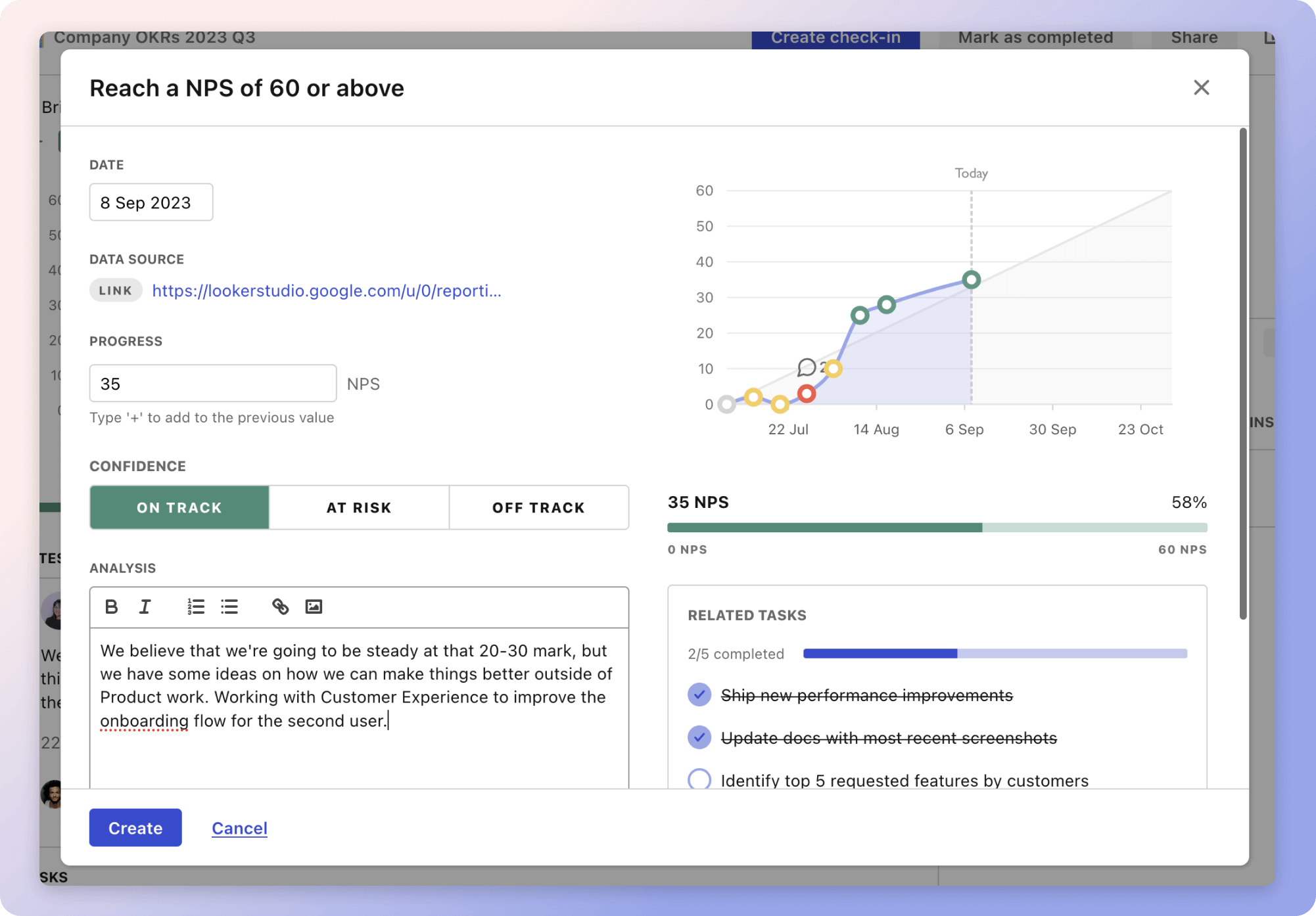
Give it a try and see how it can help you bring accountability to your strategy.