The strategy for the Greater Tsantsabane Community Front (GTCF) is structured to achieve sustainable growth and political strength in the Tsantsabane Local Municipality over 15 years. It unfolds in three primary strategies: fundraising, electoral success, and governance enhancement. For fundraising, it involves diverse approaches such as collecting membership fees, hosting community events, engaging with businesses for support, and establishing systems for transparency. For instance, organizing gala dinners and cultural festivals serves both financial and community-engagement purposes.
The strategy to secure electoral success involves voter engagement through database mapping and direct community interaction. It emphasizes understanding voter concerns via household surveys and maintaining communication through platforms like WhatsApp. The focus also includes candidate preparation and public engagement to align election messages to community priorities like jobs and safety.
Enhancing governance and infrastructure entails audits, strategic spending, and forming safety and security units. It also prioritizes infrastructure development and modernizing municipal services using technologies like GIS. Negotiating coalitions and forming partnerships with industries is also crucial for advancing the region’s development goals.
The strategies
⛳️ Strategy 1: Develop Strong Fundraising Mechanisms
- Initiate a membership fee collection across all wards with an annual fee range of R100-R300
- Implement structured political support packages aimed at businesses with bronze, silver, and gold levels
- Organise formal engagement meetings with mines and solar companies for tailored contributions
- Host community centred gala dinners, sports tournaments, and cultural festivals for fundraising
- Establish a dedicated donor committee for financial oversight and compliance with funding laws
- Launch targeted social media campaigns to attract online small donor contributions
- Create a sponsorship programme for local businesses to provide ongoing financial support
- Organise exclusive corporate policy roundtables linked to donation tiers
- Engage with national and international foundations for grant-based support
- Develop a reporting system to ensure transparency and donor trust
⛳️ Strategy 2: Secure Electoral Success in Target Wards
- Conduct comprehensive voter database mapping to understand demographic patterns
- Organise household surveys to identify key community issues and voter concerns
- Implement robust door-to-door campaign strategies to engage directly with residents
- Develop community-based WhatsApp ward groups to facilitate constant communication
- Position GTCF messaging around clean governance, jobs, safety, and infrastructure
- Formulate a candidate vetting process including community engagement and background checks
- Conduct public speaking engagements and candidate training for electoral preparedness
- Establish a local media partnership to amplify GTCF campaign messages
- Host public forums for community members to voice concerns and offer feedback
- Create a post-election strategy to solidify relationships and deliver on campaign promises
⛳️ Strategy 3: Enhance Governance and Infrastructure Development
- Implement an immediate forensic and skills audit based on election win in key wards
- Negotiate coalition frameworks, if necessary, to ensure governance control
- Freeze non-essential municipal spending for fiscal re-stabilisation
- Introduce performance contracts for all municipal employees
- Establish a Safety & Security unit with community policing and smart monitoring systems
- Roll out a 5-year Infrastructure Development plan focusing on roads and utilities
- Launch a Smart City initiative with GIS mapping and digital municipal services
- Form a Municipal Workshop with secured equipment and skilled personnel
- Develop new partnerships with mining and solar sectors for regional development
- Monitor and report quarterly on KPIs linked to each strategic departmental initiative
Bringing accountability to your strategy
It's one thing to have a plan, it's another to stick to it. We hope that the examples above will help you get started with your own strategy, but we also know that it's easy to get lost in the day-to-day effort.
That's why we built Tability: to help you track your progress, keep your team aligned, and make sure you're always moving in the right direction.
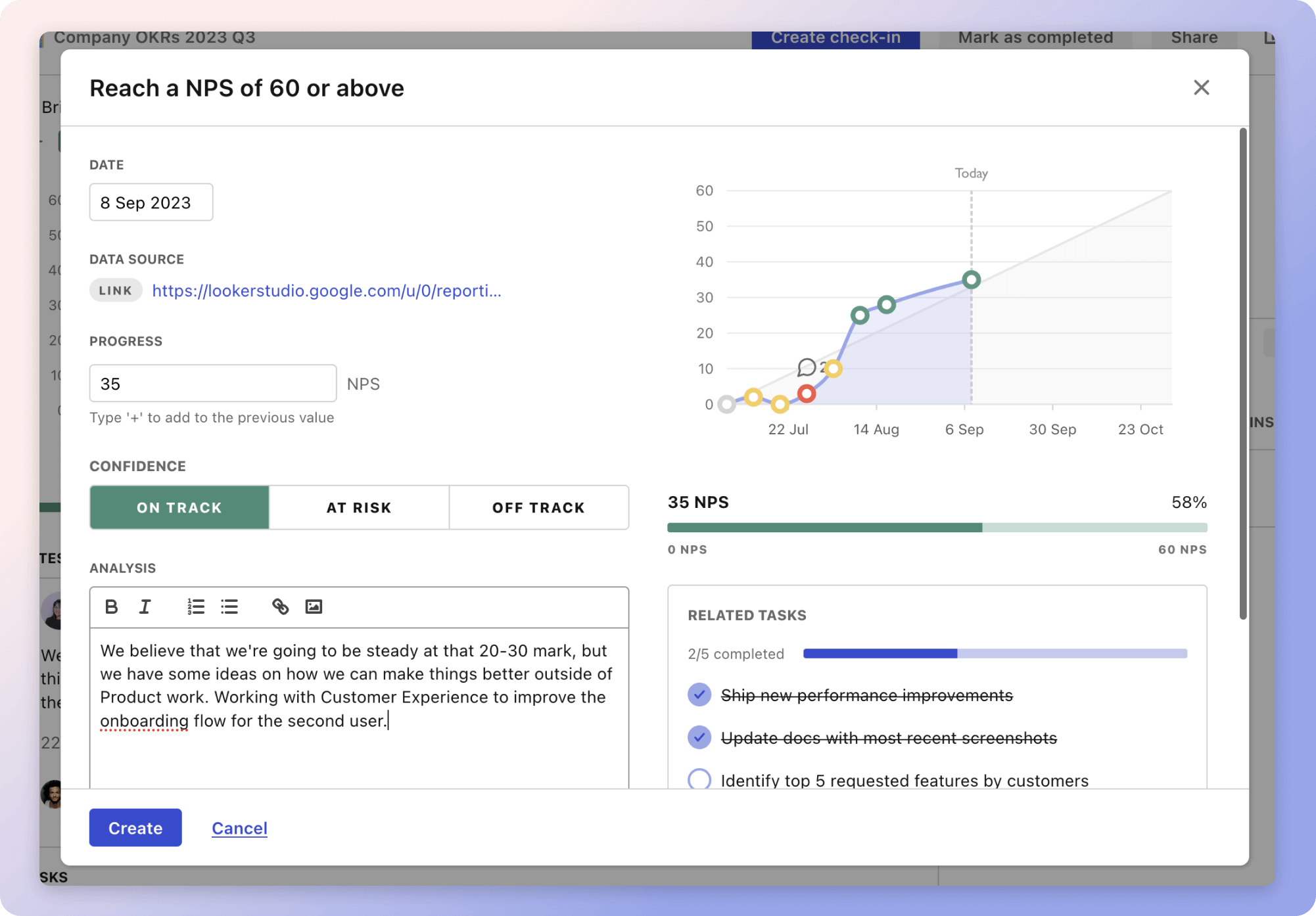
Give it a try and see how it can help you bring accountability to your strategy.