The strategy detailed in the JSON involves creating a robust trading algorithm using Pine Script on the TradingView platform. Initially, the plan integrates the ADX and RSI indicators to identify trade signals based on market trends and momentum. For instance, traders can use ADX to detect the strength of a trend and RSI to find overbought or oversold conditions, setting up ideal entry points.
Additionally, the strategy incorporates risk management through stop loss and target profit definitions, with a focus on securing a 1% profit. This involves setting thresholds using various indicators and backtesting for optimization across different timeframes, ensuring the strategy mitigates risk while maximizing returns.
The final part involves deploying and refining the strategy in a paper trading environment to monitor real-time performance and make adjustments. Weekly analyses and logging of trades aid in making informed decisions before deploying the strategy in a live account, ensuring both profitability and risk management are maintained.
The strategies
⛳️ Strategy 1: Combine ADX and RSI indicators
- Open TradingView platform
- Create a new script in the Pine Script editor
- Import ADX and RSI indicators using built-in Pine Script functions
- Define the ADX threshold for trend identification
- Set RSI levels for overbought and oversold conditions
- Combine ADX and RSI indicators to generate trade signals
- Use crossover functions to identify trade entry points
- Write conditions to avoid trades during weak trends
- Compile and save the script to your TradingView account
- Backtest the strategy using historical price data
⛳️ Strategy 2: Implement stop loss and target
- Define a function to calculate a 1% target profit
- Implement stop loss logic based on ATR or another indicator
- Set stop loss and target variables globally within the script
- Attach the 1% target logic to the entry condition
- Ensure stop loss triggers on price hitting specified thresholds
- Refine stop and target rules during script testing
- Backtest the strategy with different stop and target levels
- Optimise stop loss parameter to mitigate risk
- Modify the strategy for different timeframes
- Review and adjust based on backtest performance
⛳️ Strategy 3: Deploy and monitor the strategy
- Deploy the script on a paper trading account within TradingView
- Monitor real-time performance of entries and exits
- Adjust ADX and RSI thresholds based on live data feedback
- Log each trade to track effectiveness of the strategy
- Use alerts to notify on entry and exit conditions
- Analyse performance weekly to identify trends and potential improvements
- Iterate on the strategy based on observed market conditions
- Ensure proper risk management by adjusting leverage or position size
- Continue paper trading until consistently profitable
- Once confident, deploy on a live account with conservative trade size
Bringing accountability to your strategy
It's one thing to have a plan, it's another to stick to it. We hope that the examples above will help you get started with your own strategy, but we also know that it's easy to get lost in the day-to-day effort.
That's why we built Tability: to help you track your progress, keep your team aligned, and make sure you're always moving in the right direction.
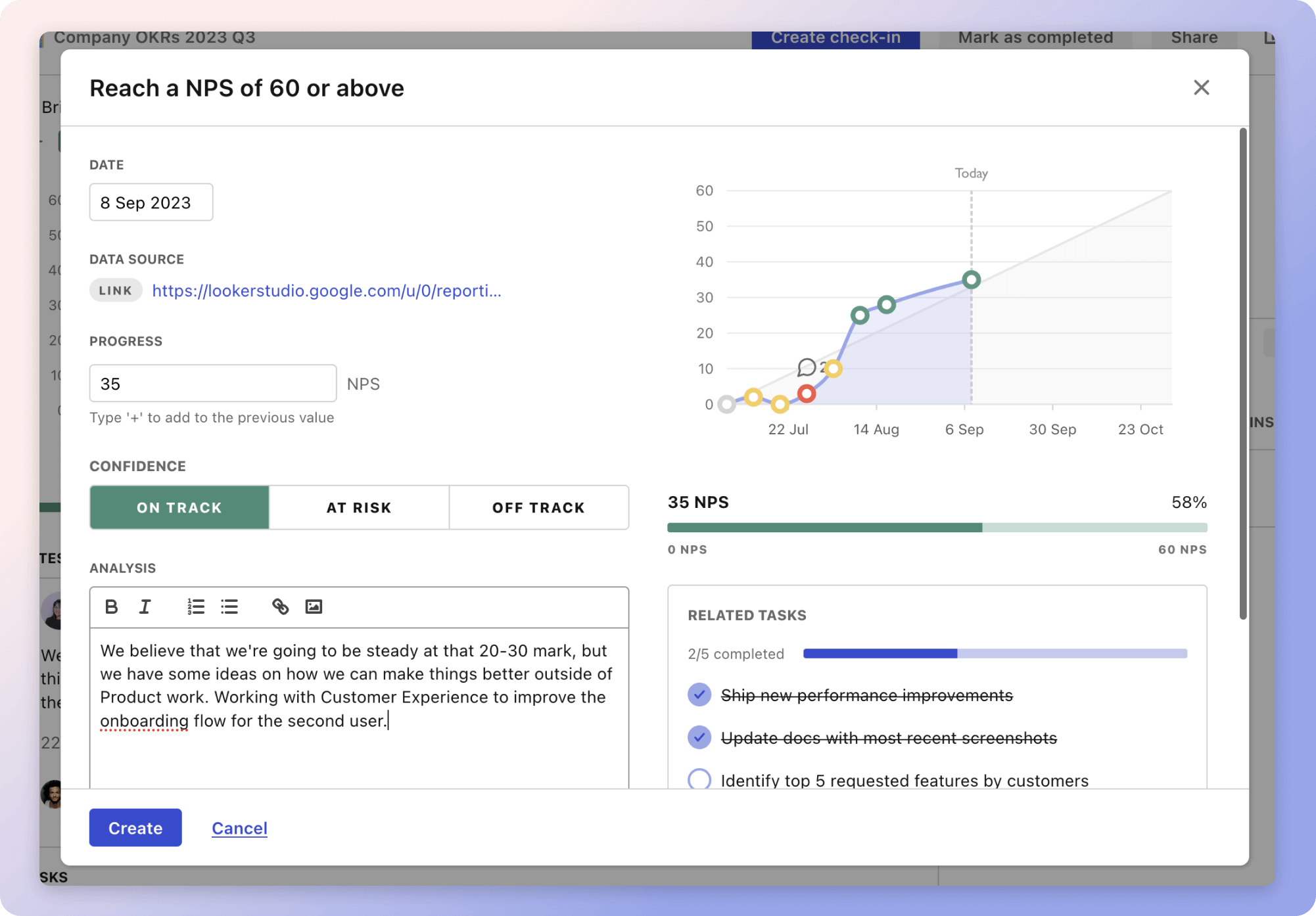
Give it a try and see how it can help you bring accountability to your strategy.