The "Implementing JAP's Consolidated Peacebuilding Strategy (2025–2030)" focuses on transforming violence in Uganda into peace through various strategic initiatives. The plan emphasizes empowering youth by facilitating workshops and digital campaigns that encourage storytelling, therefore creating counter-narratives to extremism. For example, Youth Resilience Hubs are established to provide vocational training and civic engagement exercises, aiding in the development of a peaceful mindset among young people.
Furthermore, the strategy seeks to strengthen community resilience by engaging local artists and leaders as Youth Peace Ambassadors. Through initiatives like interfaith dialogues and cultural exchange programs, communities can build partnerships that promote peace. Additionally, organizing festivals and creative workshops helps in spreading peace narratives.
Lastly, it emphasizes the creation of community-based early warning systems. This involves training community volunteers, using digital communication lines for reporting, and establishing links with local peace committees and police. Coordinating these efforts ensures a timely response to potential threats, underpinning long-term peace efforts through comprehensive monitoring and communication strategies.
The strategies
⛳️ Strategy 1: Empower youth through creative counter-narratives
- Organise workshops for youth to develop storytelling skills
- Launch digital campaigns highlighting positive youth stories
- Create murals in community centres to depict peace narratives
- Conduct regular theatre performances on counter-radicalisation themes
- Establish Youth Resilience Hubs in hotspot areas
- Provide vocational training in Youth Resilience Hubs
- Incorporate civic engagement exercises in youth programmes
- Develop youth-authored CVE toolkits for schools
- Facilitate training sessions for young storytellers
- Promote youth-led digital campaigns in local communities
⛳️ Strategy 2: Strengthen community resilience through creative engagement
- Recruit and train local artists and leaders as Youth Peace Ambassadors
- Set up Community Peace Clubs in key locations
- Design and conduct creative workshops including murals and storytelling
- Organise interfaith dialogues with community leaders
- Build partnerships with local artists for peace initiatives
- Compile and disseminate peace narratives through local media
- Conduct cultural exchange programmes among community members
- Organise festivals and events that celebrate peace and diversity
- Support reformed gang members to share their peace stories
- Develop a volunteer programme for youth ambassadors
⛳️ Strategy 3: Establish and operationalise community-based early warning systems
- Identify and train community volunteers as local monitors
- Develop a comprehensive list of violence and radicalisation indicators
- Set up SMS/WhatsApp tip lines for anonymous reporting
- Organise regular community forums for reporting insights
- Link early warning reports to local peace committees
- Coordinate with district forums for timely responses
- Establish connections with police liaison officers
- Create communication channels with interfaith councils
- Provide regular updates to communities on action taken
- Develop public awareness campaigns on the importance of early warning
Bringing accountability to your strategy
It's one thing to have a plan, it's another to stick to it. We hope that the examples above will help you get started with your own strategy, but we also know that it's easy to get lost in the day-to-day effort.
That's why we built Tability: to help you track your progress, keep your team aligned, and make sure you're always moving in the right direction.
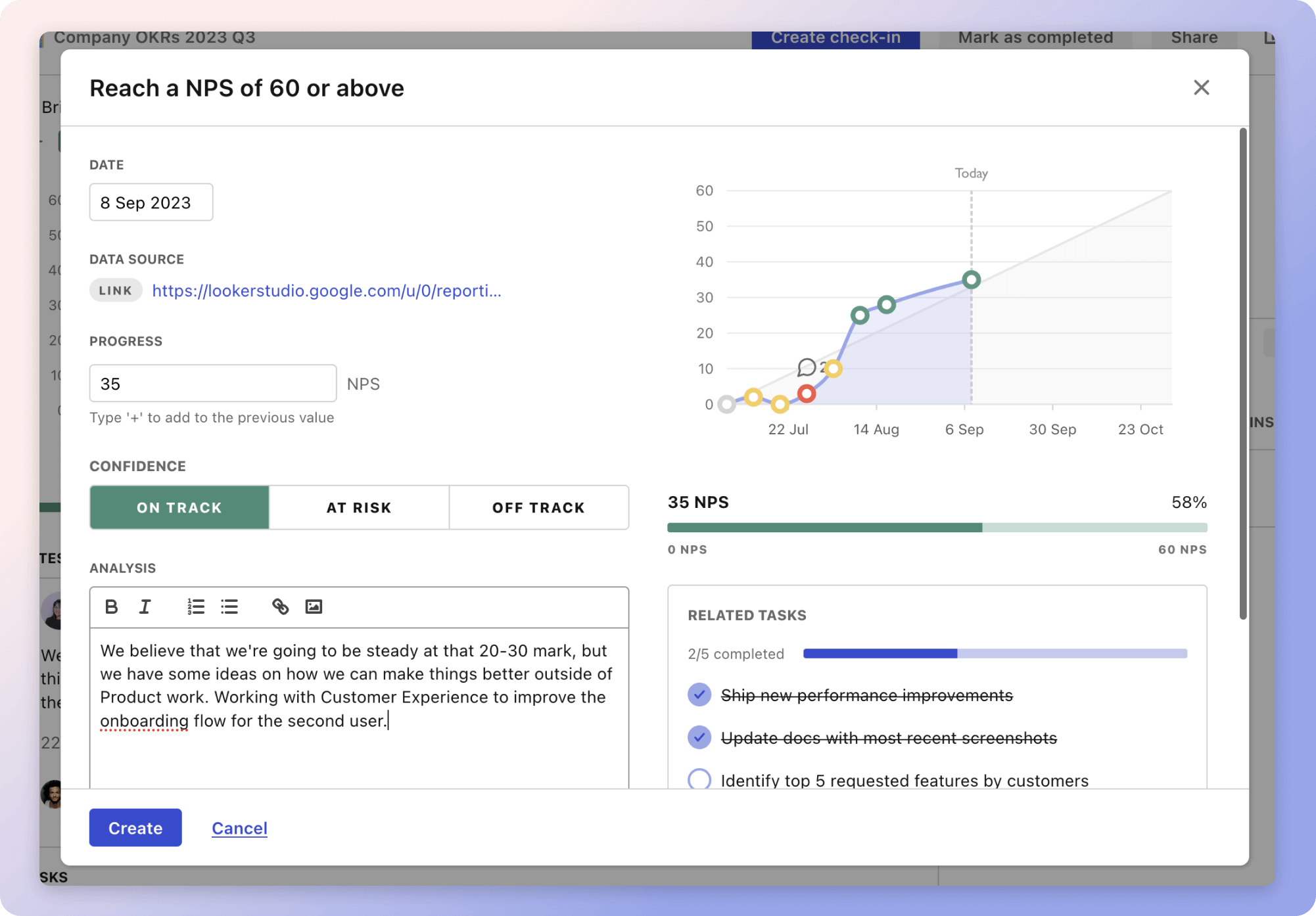
Give it a try and see how it can help you bring accountability to your strategy.