This strategy aims to generate a second income stream through trading in financial markets. The first step is focused on education, emphasizing the importance of learning trading fundamentals. You can start by enrolling in online courses, reading books from successful traders, and engaging with trading communities. For example, attending webinars and seminars can provide deep insights into the market dynamics, and practicing with a demo account offers practical experience without financial risk.
The next phase involves developing a personal trading plan. This step requires setting clear financial goals, understanding your risk tolerance, and choosing specific markets and instruments to trade in. A well-defined plan includes money management strategies and a schedule that aligns with your lifestyle. Using backtesting can refine these strategies, and maintaining a trading journal aids in tracking progress and making necessary adjustments.
Lastly, leveraging technology and tools is crucial for efficient trading. Choosing a reliable trading platform and employing technical analysis software can enhance decision-making processes. For instance, setting up alerts for price changes or using algorithmic trading can increase efficiency. Integrating AI-powered tools for insights and keeping devices secure are vital for maintaining an edge and ensuring the safety of trades.
The strategies
⛳️ Strategy 1: Educate yourself in trading fundamentals
- Research and enrol in an online trading course
- Read books authored by successful traders
- Join trading webinars and online communities
- Follow financial news to understand market indicators
- Study different trading styles to find a suitable one
- Attend seminars and workshops on trading
- Practice with a demo account to gain practical experience
- Learn to analyse charts and trading signals
- Subscribe to trading magazines and journals
- Stay informed about global economic events
⛳️ Strategy 2: Develop and implement a personal trading plan
- Set clear financial goals for trading income
- Define your risk tolerance and capital allocation
- Choose markets and instruments you will trade
- Establish criteria for entering and exiting trades
- Incorporate money management strategies into your plan
- Keep a trading journal to track and review your trades
- Set a trading schedule that fits with your lifestyle
- Regularly review and adjust your trading plan
- Use backtesting to refine your strategies
- Commit to emotional discipline by avoiding impulsive trades
⛳️ Strategy 3: Leverage technology and tools for efficient trading
- Select a reliable trading platform with necessary features
- Utilise technical analysis software for decision making
- Set up alerts and notifications for price changes
- Incorporate algorithmic trading for efficiency
- Utilise mobile trading apps for flexibility
- Use automation to manage repetitive tasks
- Gather insights from AI-powered analytical tools
- Keep your devices secure to protect data and transactions
- Utilise social platforms for crowd-sourced trading ideas
- Regularly update trading software for optimal performance
Bringing accountability to your strategy
It's one thing to have a plan, it's another to stick to it. We hope that the examples above will help you get started with your own strategy, but we also know that it's easy to get lost in the day-to-day effort.
That's why we built Tability: to help you track your progress, keep your team aligned, and make sure you're always moving in the right direction.
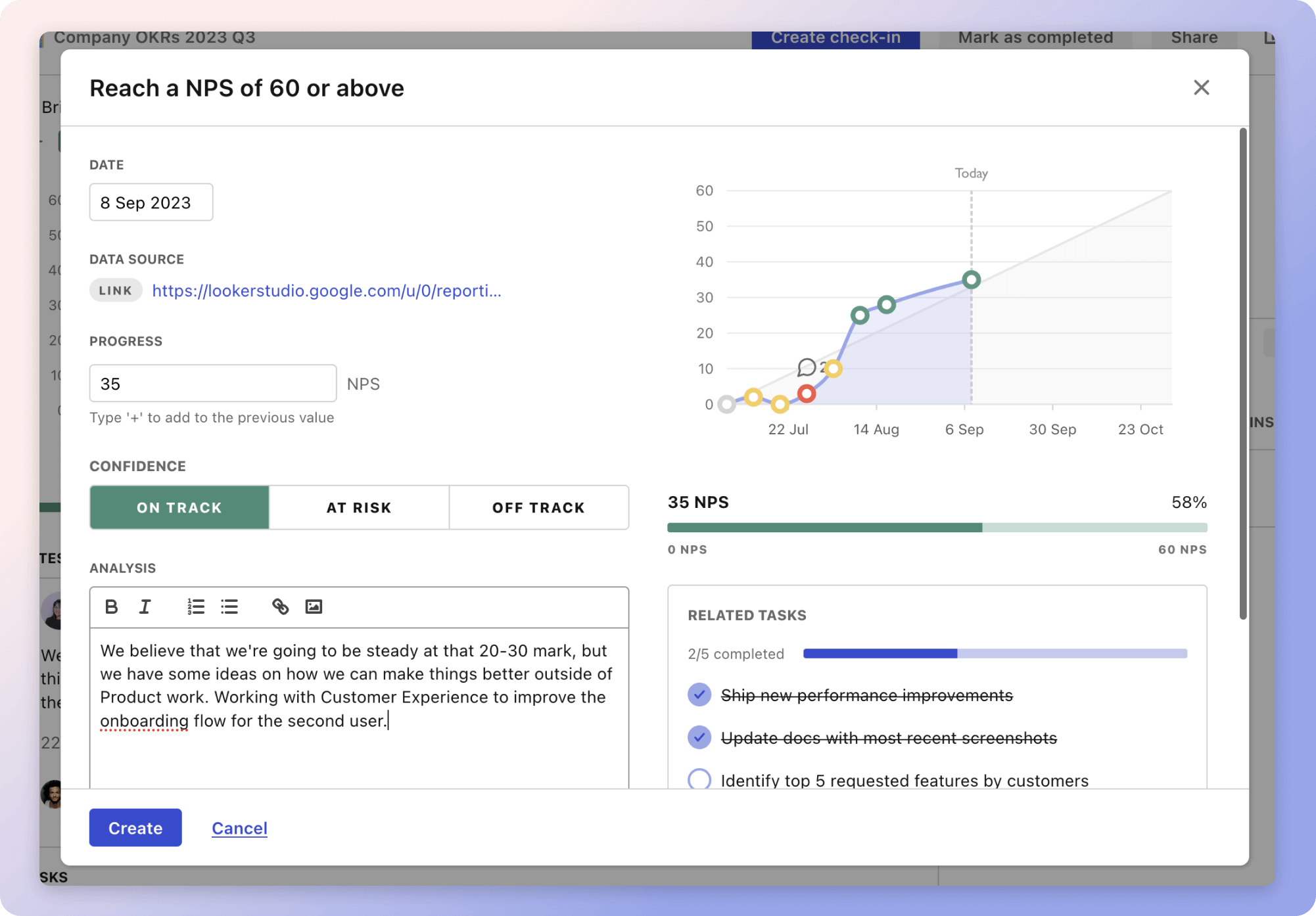
Give it a try and see how it can help you bring accountability to your strategy.