The strategy focuses on controlling post-disbursement documents to prevent discrepancies and ensure compliance. It begins by establishing a standardized documentation process. This includes creating checklists, implementing tracking systems, and setting up training for staff. For instance, using electronic systems to digitize documents can streamline the workflow and improve accuracy.
A robust auditing system is another cornerstone of the strategy. Scheduling regular audits and using external auditing firms ensure unbiased evaluations. Developing audit checklists and integrating findings into improvement efforts help maintain high standards. Furthermore, setting KPIs for audits and corrective action plans address issues efficiently.
Enhancing communication and coordination is vital, involving setting up clear channels and regular departmental meetings. Employing project management tools and establishing centralized repositories ensure smooth document exchange. The strategy creates a collaborative environment, with feedback loops enhancing the overall process.
The strategies
⛳️ Strategy 1: Establish a standardised documentation process
- Create a checklist of required post disbursement documents
- Implement a tracking system for documents received and pending
- Set up regular training for staff on documentation standards
- Develop a standard template for each document type
- Assign a dedicated team to oversee the documentation process
- Regularly review and update protocol to meet regulatory requirements
- Establish a quality control system for document verification
- Utilize electronic systems to digitise and store documents
- Create a feedback loop to improve document handling procedures
- Partner with legal experts to ensure compliance
⛳️ Strategy 2: Implement a robust auditing system
- Schedule regular audits of all post disbursement documents
- Use an external auditing firm for an unbiased review
- Develop an audit checklist specific to post disbursement documents
- Integrate audit findings into continuous improvement efforts
- Train internal auditors on current document control standards
- Set key performance indicators for audit results
- Create a corrective action plan for addressing audit issues
- Establish clear documentation for each audit conducted
- Engage with stakeholders to ensure audit thoroughness
- Review and update audit processes annually
⛳️ Strategy 3: Enhance communication and coordination
- Establish clear communication channels for document management
- Set up regular meetings with involved departments to align processes
- Use project management tools to track document handling tasks
- Develop clear guidelines for inter-departmental document exchange
- Create a contact list of stakeholders in the document process
- Communicate changes in document requirements promptly
- Establish a point of contact for document-related inquiries
- Ensure feedback from departments is incorporated into processes
- Use dashboards to provide visibility on document processing status
- Create a centralized digital repository for document sharing
Bringing accountability to your strategy
It's one thing to have a plan, it's another to stick to it. We hope that the examples above will help you get started with your own strategy, but we also know that it's easy to get lost in the day-to-day effort.
That's why we built Tability: to help you track your progress, keep your team aligned, and make sure you're always moving in the right direction.
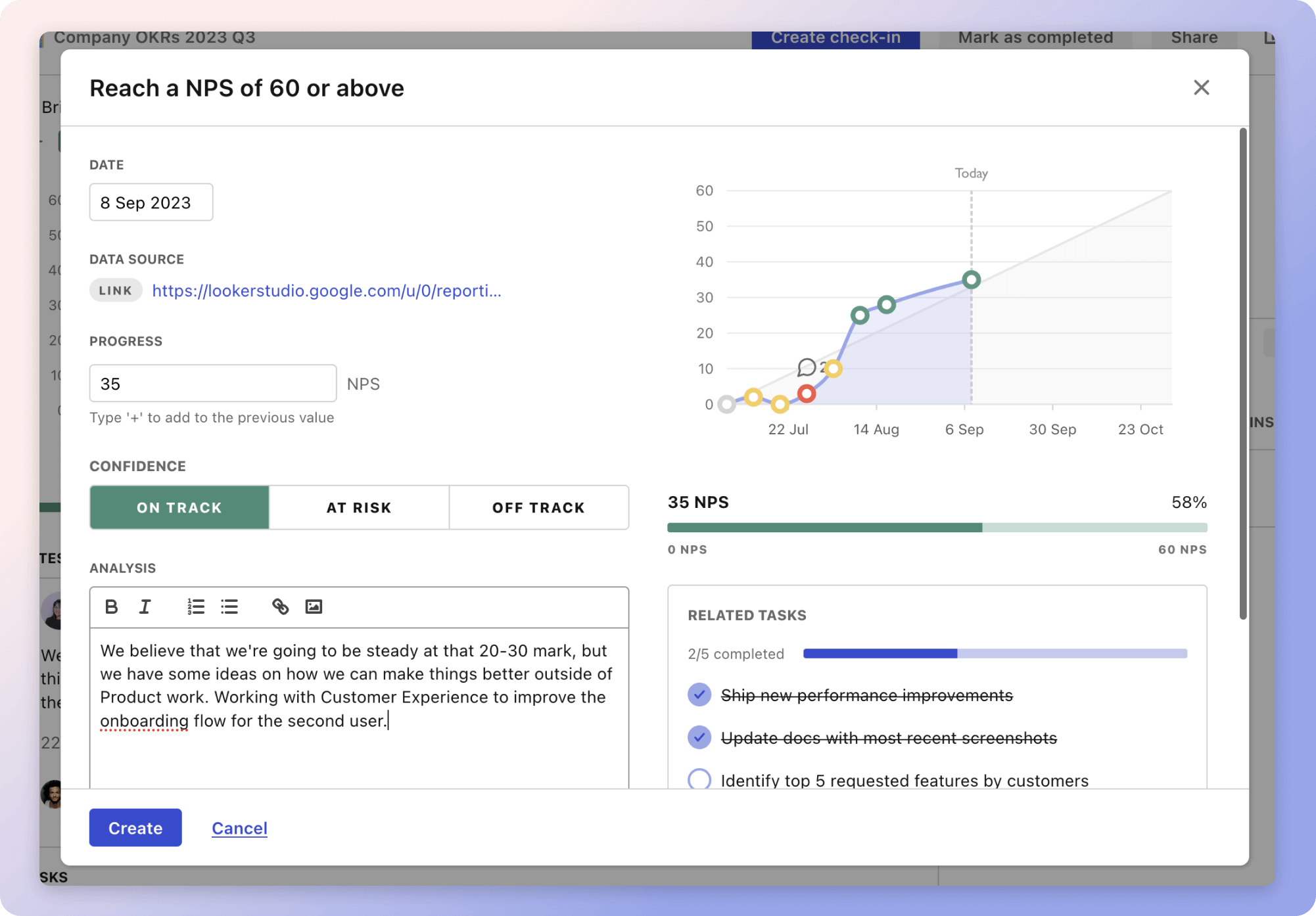
Give it a try and see how it can help you bring accountability to your strategy.