The strategy focuses on supporting released offenders and their families by establishing a robust support network. This involves partnerships with community centers and social services, mentoring programs, and group counseling for psycho-social support. For instance, organizing weekly counseling sessions and involving former offenders can provide the guidance and empathy needed for reintegration.
Another element of the strategy includes vocational training and skills development. By partnering with local businesses for apprenticeships and offering programs like carpentry or technology literacy, the strategy ensures offenders acquire skills that match the job market. This is crucial for helping them secure stable employment.
Lastly, community reintegration programs aim to rebuild bonds through activities like community gardens and parental training sessions. Through these initiatives, the strategy not only promotes economic empowerment but also strengthens social ties, ensuring a supportive environment for the offenders' long-term success.
The strategies
⛳️ Strategy 1: Establish a strong support network
- Create partnerships with local community centres and social service organisations
- Develop a mentoring program with volunteers and professionals to guide released offenders
- Organise weekly group counselling sessions for psycho-social and spiritual support
- Implement a bi-monthly workshop to discuss the challenges faced by released offenders
- Set up a 24/7 helpline for immediate support and counselling
- Host family therapy sessions to strengthen family bonds
- Create a peer support group led by rehabilitated former offenders
- Arrange monthly sessions with spiritual leaders from diverse backgrounds
- Design and distribute educational materials on maintaining mental health
- Track and evaluate the impact of support services through regular feedback
⛳️ Strategy 2: Implement vocational training and skills development
- Identify and collaborate with local businesses for apprenticeship opportunities
- Develop vocational training curriculums tailored to the job market demands
- Provide basic education modules for literacy and numeracy skills
- Offer practical job skills training like carpentry, plumbing, and tailoring
- Organise soft skills workshops focusing on communication and teamwork
- Create a digital skill-building program for technology literacy
- Facilitate resume writing and interview preparation sessions
- Set up a job matching platform to connect trainees with potential employers
- Monitor trainees' progress and provide additional support where needed
- Celebrate successful job placements to motivate current participants
⛳️ Strategy 3: Facilitate community reintegration and bonding programs
- Launch income-generating projects such as community gardens and crafts
- Develop parental training sessions focused on positive parenting techniques
- Organise community events that integrate offenders with other community members
- Provide regular feedback sessions to assess the effectiveness of projects
- Foster relationships with local businesses to support offender reemployment
- Assist in securing housing by collaborating with local housing authorities
- Develop a buddy system pairing offenders with community mentors
- Initiate sporting events to promote physical well-being and team spirit
- Integrate a financial literacy program to manage personal finances
- Regularly publicise success stories to showcase the value of reintegration
Bringing accountability to your strategy
It's one thing to have a plan, it's another to stick to it. We hope that the examples above will help you get started with your own strategy, but we also know that it's easy to get lost in the day-to-day effort.
That's why we built Tability: to help you track your progress, keep your team aligned, and make sure you're always moving in the right direction.
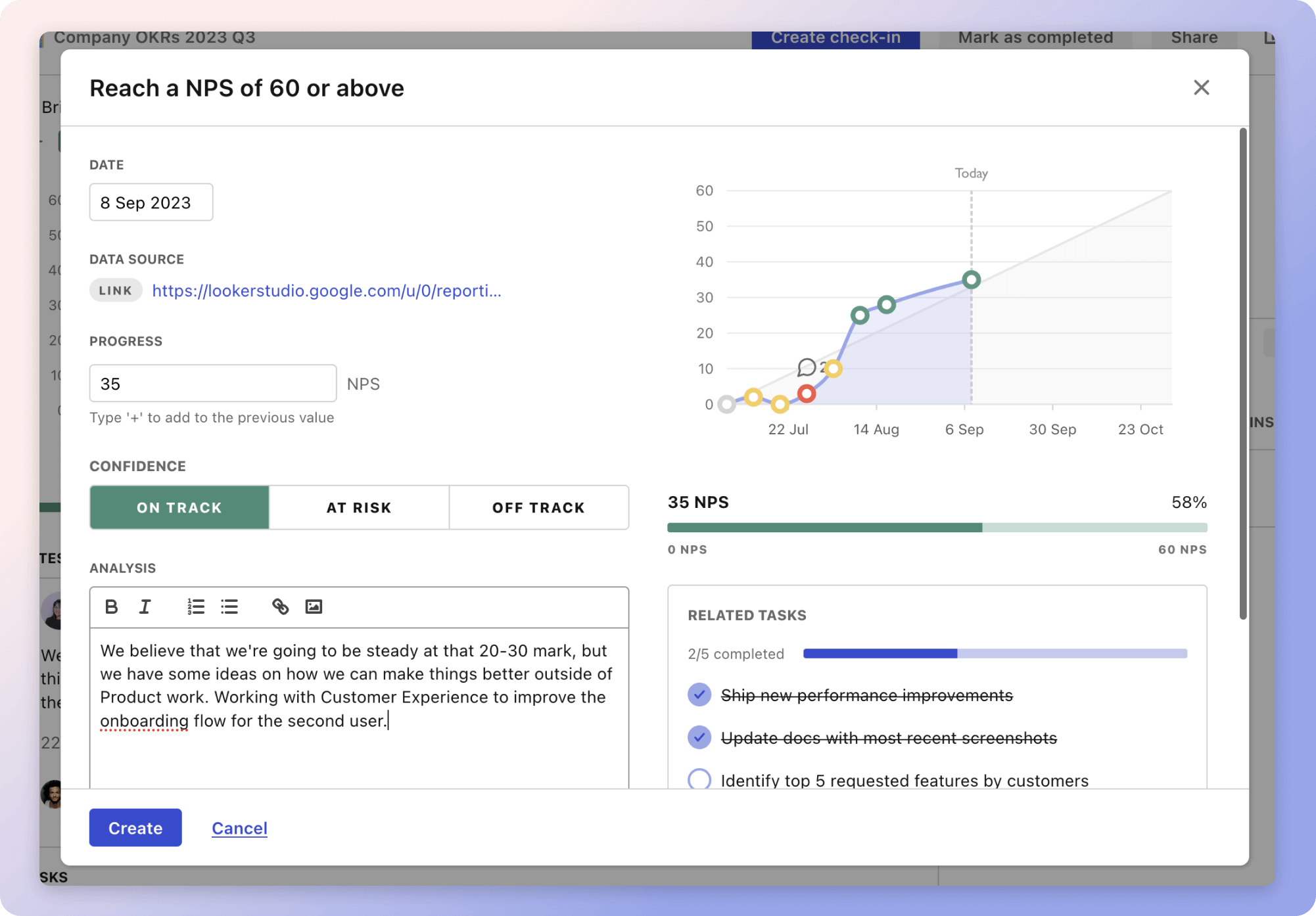
Give it a try and see how it can help you bring accountability to your strategy.