The strategy focuses on integrating sustainability and quality assurance processes to align with ISO certifications while conducting a quality risk analysis. Firstly, integrating sustainability criteria into quality assurance involves reviewing existing processes and ensuring they meet sustainability standards, which is exemplified by actions like training QA teams and introducing sustainability audits. An example would be collaborating with suppliers to align their processes with sustainability standards.
Maintaining ISO certifications requires scheduling regular compliance checks and engaging external consultants, which helps in preparing for official assessments. Conducting quality risk analysis includes identifying potential risks and implementing preventive measures. For instance, developing a risk assessment framework tailored to the organization and ensuring all employees are encouraged to identify risks proactively.
The strategies
⛳️ Strategy 1: Integrate sustainability criteria into quality assurance
- Review existing quality assurance processes to identify areas for integration with sustainability criteria
- Develop sustainability criteria that align with ISO 9001:2015 standards
- Train quality assurance teams on the importance and implementation of sustainability criteria
- Establish regular sustainability and quality audits
- Work with suppliers to ensure their processes align with sustainability standards
- Document and report on sustainable practices in quality assurance activities
- Introduce sustainability metrics in quality assessments
- Set clear targets for improvement in both quality and sustainability
- Encourage collaboration between quality assurance and sustainability teams
- Monitor progress and adjust strategies based on audit results
⛳️ Strategy 2: Maintain and renew ISO certifications
- Conduct a gap analysis to identify areas needing improvement for ISO 9001:2026 certification
- Assign a dedicated team to oversee the certification maintenance and renewal process
- Schedule regular review sessions for ISO 9001:2015 compliance checks
- Update procedures and documentation to reflect requirements for ISO 9001:2026
- Engage external consultants for expert guidance on certification processes
- Implement internal training sessions on updated standards and processes
- Communicate the importance of ISO certifications to all stakeholders
- Conduct mock audits to prepare for official ISO assessments
- Implement corrective actions based on audit findings
- Regularly monitor and report on progress towards achieving certification goals
⛳️ Strategy 3: Conduct and act on quality risk analysis
- Identify potential risks affecting product and service quality at both functional and business levels
- Develop a risk assessment framework tailored to the organisation's needs
- Conduct comprehensive risk evaluations with cross-functional teams
- Prioritise risks based on their potential impact and likelihood
- Develop and implement preventive measures for high-priority risks
- Assign responsibility for risk management to specific team members
- Regularly review and update risk assessments to reflect changing conditions
- Establish a communication plan for risk-related updates and changes
- Encourage proactive risk identification by all employees
- Monitor the effectiveness of preventive measures and make necessary adjustments
Bringing accountability to your strategy
It's one thing to have a plan, it's another to stick to it. We hope that the examples above will help you get started with your own strategy, but we also know that it's easy to get lost in the day-to-day effort.
That's why we built Tability: to help you track your progress, keep your team aligned, and make sure you're always moving in the right direction.
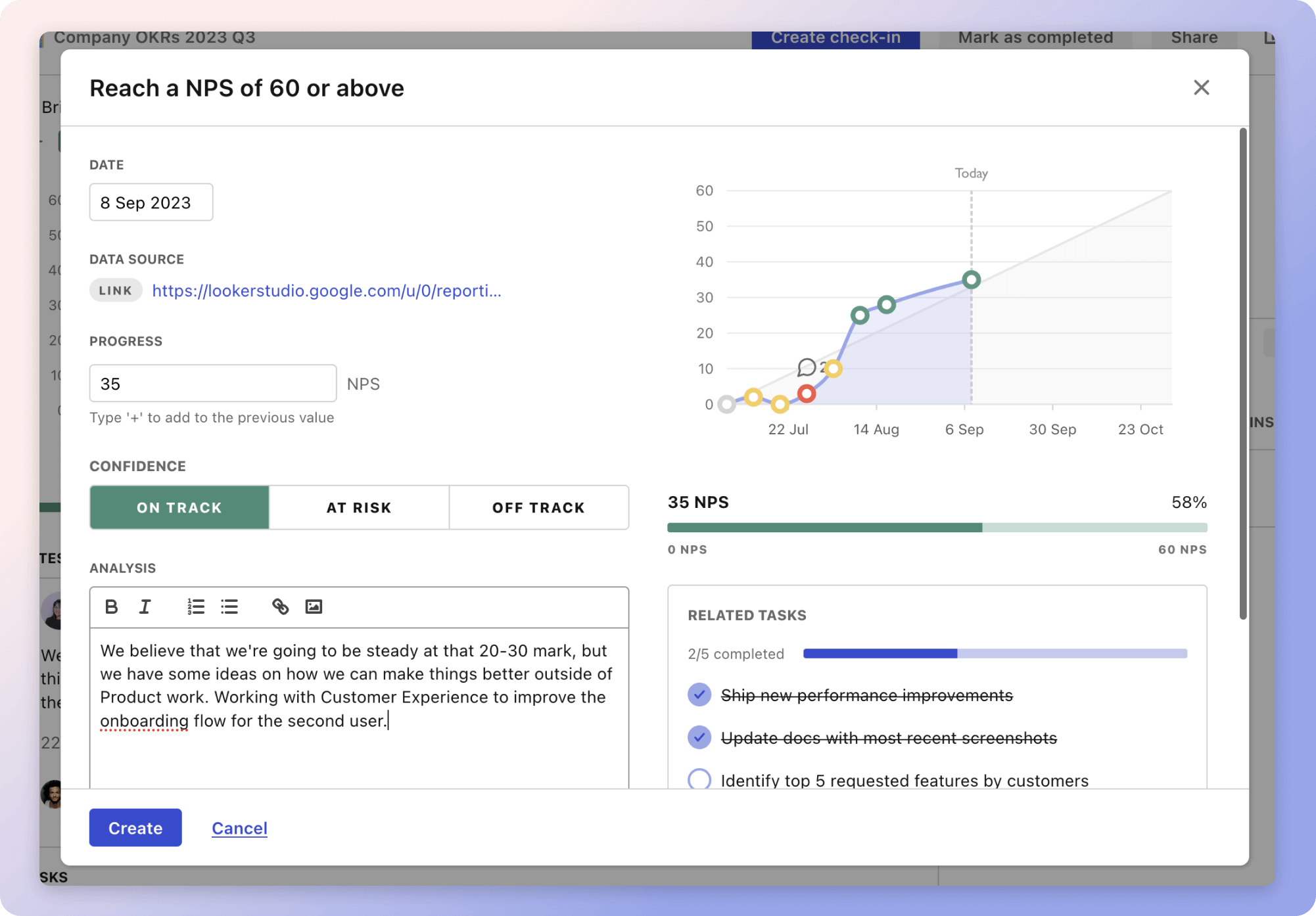
Give it a try and see how it can help you bring accountability to your strategy.