The "Maintaining On-time Delivery Tracking" strategy focuses on ensuring timely and efficient delivery by incorporating several strategic actions. First, a reliable tracking system is crucial, including researching suitable software, integrating it with existing systems, and training team members. Automated notifications and real-time updates help keep track of delivery milestones efficiently.
Enhancing process efficiency is achieved by mapping the current delivery process to identify bottlenecks. Developing standard procedures and using data analytics aid in streamlining operations. Regular meetings and performance metrics are also utilized to ensure continuous improvement.
Lastly, promoting communication and accountability fosters a transparent environment. Establishing communication channels, setting client expectations, and recognizing team achievements ensure accountability within the team.
The strategies
⛳️ Strategy 1: Implement a reliable tracking system
- Research and select a delivery tracking software that suits your business needs
- Integrate the tracking software with your existing systems and databases
- Train team members on how to effectively use the tracking system
- Set up automated notifications for delivery milestones and deadlines
- Create a dashboard for real-time delivery updates and insights
- Ensure the system is mobile-friendly for easy access by the delivery team
- Conduct regular audits of the tracking system for accuracy and reliability
- Backup delivery data systematically to prevent loss of information
- Establish a support team to address technical issues promptly
- Collect feedback from users to improve the system's functionality
⛳️ Strategy 2: Enhance process efficiency
- Map out the current delivery process to identify bottlenecks
- Develop standard operating procedures for delivery to streamline operations
- Allocate tasks and responsibilities clearly among the delivery team
- Implement time management techniques to boost productivity
- Utilise data analytics to forecast delivery times and capacity needs
- Schedule regular meetings to discuss delivery performance
- Incorporate buffer times in delivery schedules to handle unforeseen delays
- Leverage technology to optimise logistics and route planning
- Utilise performance metrics to continuously refine delivery processes
- Benchmark delivery procedures against industry best practices
⛳️ Strategy 3: Promote communication and accountability
- Establish clear communication channels among team members and with clients
- Create a transparent system for reporting delivery statuses
- Set expectation agreements with clients regarding delivery timelines
- Foster a culture of accountability within the delivery team
- Recognise and reward team members who consistently meet delivery deadlines
- Implement a feedback loop to address customer complaints and concerns
- Assign delivery leads responsible for overseeing daily performance
- Provide regular training on communication and customer service skills
- Utilise collaboration tools for seamless information sharing
- Develop contingency plans for common delivery challenges
Bringing accountability to your strategy
It's one thing to have a plan, it's another to stick to it. We hope that the examples above will help you get started with your own strategy, but we also know that it's easy to get lost in the day-to-day effort.
That's why we built Tability: to help you track your progress, keep your team aligned, and make sure you're always moving in the right direction.
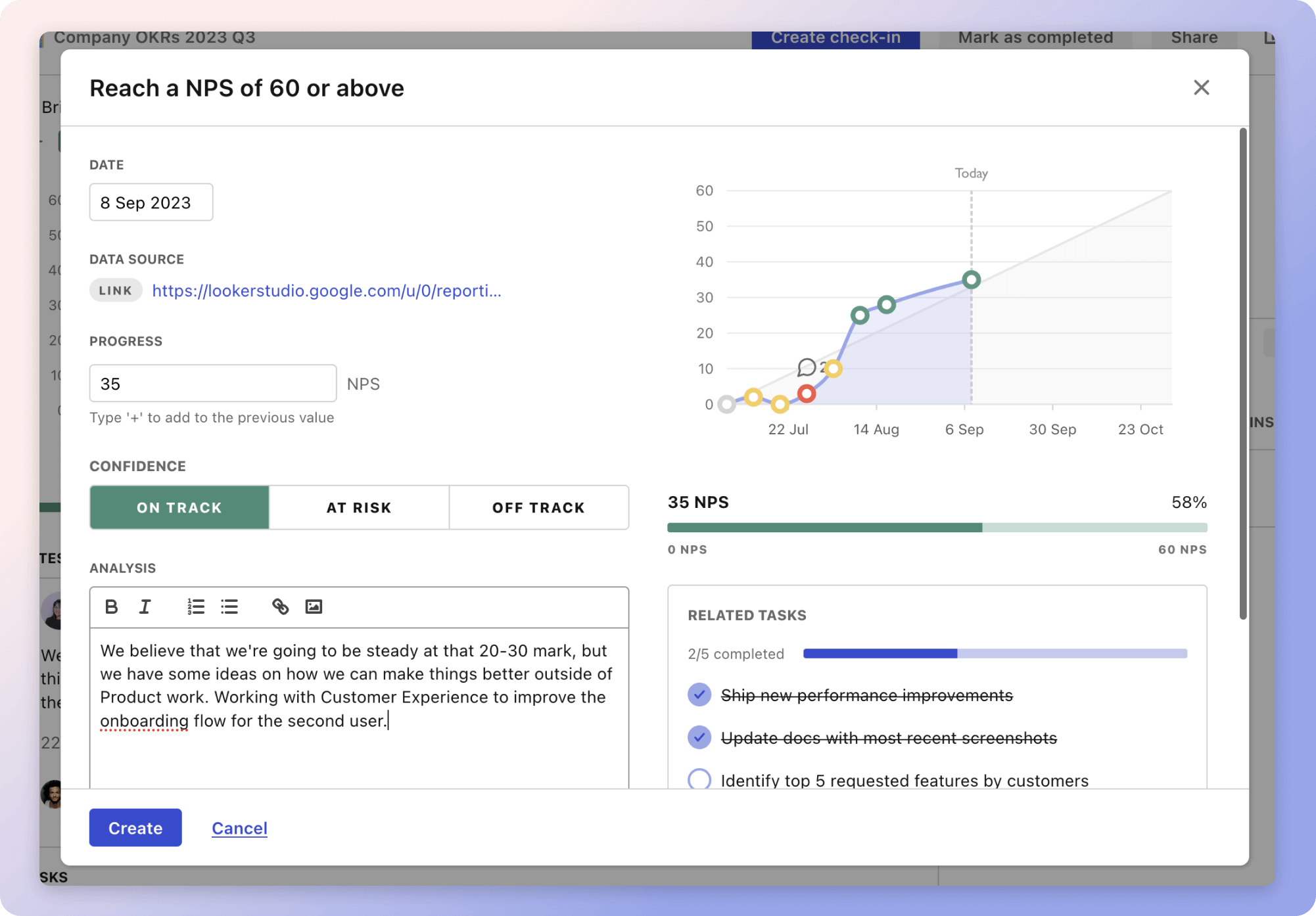
Give it a try and see how it can help you bring accountability to your strategy.