The strategy aims to promote a healthy lifestyle for released offenders and their families through comprehensive psycho-social and spiritual support. By establishing support groups and facilitating regular counseling, individuals can find a supportive community to share experiences and challenges. For example, organizing workshops on stress management and coping strategies equips participants with skills to navigate daily struggles.
Spiritual support is also integrated by partnering with faith-based organizations to offer guidance and reflection activities. Participants have opportunities to engage in meditation workshops and spiritual group gatherings, helping them find inner peace and a sense of belonging.
Educational resources and awareness campaigns aim to reduce stigma and promote healthy practices. Initiatives like informational brochures and social media promotion of positive reintegration stories help reshape public perceptions and offer education on mental health.
The strategies
⛳️ Strategy 1: Enhance psycho-social support
- Establish support groups for released offenders and their families
- Facilitate regular counselling sessions with trained professionals
- Organise workshops on stress management and coping strategies
- Collaborate with local mental health services for referrals
- Provide access to crisis helplines for immediate support
- Develop peer mentorship programs pairing new releases with previous participants
- Encourage participation in community activities to foster social connections
- Arrange family therapy sessions to improve family dynamics
- Conduct regular assessments to tailor support services to individual needs
- Implement feedback mechanisms to continually improve support services
⛳️ Strategy 2: Integrate spiritual support services
- Partner with faith-based organisations for spiritual guidance programs
- Organise spiritual retreats and reflection activities
- Include spiritual advisors in the support team for personal consultations
- Facilitate interfaith dialogues to promote understanding and acceptance
- Provide access to meditation and mindfulness workshops
- Host monthly spiritual group gatherings or community services
- Incorporate spiritual practices into daily routines of participants
- Offer resources such as books and recordings on spirituality
- Foster a sense of belonging through spiritual community activities
- Evaluate the impact of spiritual support on participants regularly
⛳️ Strategy 3: Develop educational resources and awareness campaigns
- Create informative brochures highlighting available support services
- Run awareness campaigns to reduce stigma surrounding offenders
- Host informational sessions on healthy lifestyle practices
- Use social media to promote positive stories of reintegrated individuals
- Develop a resource library with books and materials on self-help and improvement
- Collaborate with local media outlets to share success stories
- Organise community events focused on health and well-being
- Circulate newsletters with updates on support services and success stories
- Provide educational workshops on mental health awareness
- Engage with community leaders to champion the cause
Bringing accountability to your strategy
It's one thing to have a plan, it's another to stick to it. We hope that the examples above will help you get started with your own strategy, but we also know that it's easy to get lost in the day-to-day effort.
That's why we built Tability: to help you track your progress, keep your team aligned, and make sure you're always moving in the right direction.
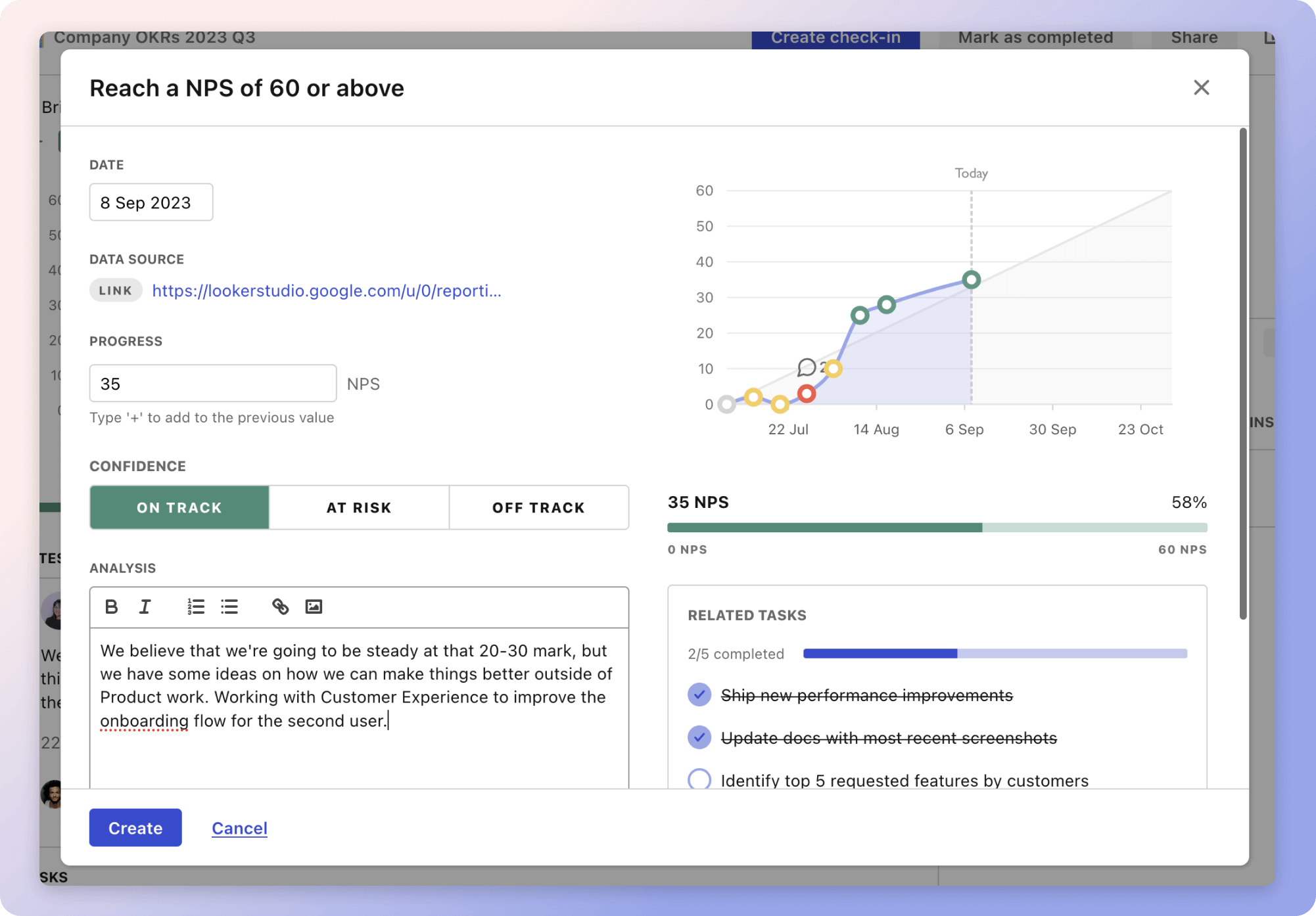
Give it a try and see how it can help you bring accountability to your strategy.